

Syngas and HyCO Equipment Protection
Syngas and HyCO production relies on process equipment operating reliably under demanding combinations of temperature and gas chemistry.
Across reforming, synthesis gas generation and associated high-temperature processes, metallic components can be exposed to environments capable of promoting metal dusting, carburisation and high-temperature oxidation.
These mechanisms can progressively degrade component surfaces and, in susceptible applications, contribute to premature loss of useful service life.
For operators, the challenge extends beyond preventing corrosion.
How can critical equipment be protected for longer, reducing the lifecycle impact of degradation, maintenance and premature replacement?
Diffusion aluminising provides a surface-engineering approach designed to increase resistance to specific high-temperature degradation mechanisms while retaining the essential properties of the underlying component material.
The Challenge of Syngas & HyCO Production
Synthesis gas — commonly referred to as syngas — is principally a mixture of hydrogen and carbon monoxide, with its precise composition determined by the production route and downstream requirement.
It provides an important feedstock for industrial processes including hydrogen, ammonia and methanol production, as well as other chemical and fuel applications.
HyCO production similarly involves the manufacture and processing of hydrogen and carbon monoxide streams for industrial use.
Producing and processing these gases can involve equipment exposed to demanding combinations of:
- Elevated temperature
- Carbon-containing gases
- Reducing environments
- Oxidising conditions
- High carbon activity
- Thermal cycling
- Extended operating periods
- Changes in process conditions
The resulting material challenge is significant.
A component may possess the mechanical properties required for high-temperature service while remaining vulnerable to environmental attack at its surface.
When the Process Environment Attacks the Component
High-temperature process equipment is manufactured from carefully selected alloys designed to perform under demanding operating conditions.
However, alloy selection alone cannot eliminate every degradation mechanism.
Where the surface interacts with an aggressive environment, progressive attack may contribute to:
Reduced Component Life
Environmental degradation can become one of the factors determining when equipment requires repair or replacement.
Increased Inspection Requirements
Known degradation mechanisms may require closer monitoring throughout the operating life of the component.
Maintenance Intervention
Progressive deterioration can contribute to additional maintenance activity.
Premature Replacement
Replacing specialist alloy components earlier than expected means additional material, manufacturing, procurement and installation costs.
Operational Impact
Where repair or replacement requires plant intervention, degradation can have consequences beyond the individual component.
The objective should therefore be to understand why the component is degrading and whether that mechanism can be controlled at the surface.
Metal Dusting: A Critical Syngas Challenge
Metal dusting is particularly relevant to equipment operating in certain carbon-rich process environments.
It is a severe form of high-temperature corrosion in which susceptible alloys can progressively break down into carbon, carbides and fine metallic particles.
Unlike a predictable uniform reduction in wall thickness, metal dusting can cause highly localised attack.
Once established, significant material damage may occur.
Conditions associated with synthesis gas processing can create environments in which metal dusting is a material-selection and equipment-integrity concern.
For susceptible components, preventing interaction between the underlying alloy and the aggressive process environment can therefore be critical.
How Diffusion Aluminising Helps Protect Against Metal Dusting
Diffusion aluminising changes the chemistry of the component surface.
Aluminium is introduced into the substrate through a high-temperature diffusion process, creating an aluminium-rich, metallurgically bonded surface layer.
Under appropriate operating conditions, this surface can form a stable alumina scale.
The alumina acts as a barrier between the process environment and the underlying alloy, reducing the interaction required for metal dusting to develop.
This can significantly increase the resistance of suitable materials to metal dusting environments.
Metal Dusting in Reformer Systems: Causes, Consequences & Prevention
Protecting Against Carburisation
Carbon does not necessarily need to cause metal dusting to damage a component.
In carburising environments, carbon can diffuse into the alloy at elevated temperature.
Once inside the material, carbon can react with alloying elements and promote internal carbide formation.
Over prolonged exposure, this can alter the microstructure and properties of the alloy.
Preventing or reducing carbon ingress at the surface can therefore provide an important means of protecting susceptible components.
A suitably engineered aluminide diffusion layer can provide an additional barrier between the carbon-containing environment and the underlying material.
Carburisation in Reformer Tubes: Protecting High-Value Alloys
High-Temperature Oxidation
Oxidation is another fundamental challenge for metallic components operating at elevated temperatures.
When a metal reacts with an oxygen-containing environment, an oxide scale develops at the surface.
The effectiveness of this scale depends on whether it remains stable, adherent and sufficiently slow-growing to protect the material beneath.
Where an oxide grows rapidly, cracks or spalls, fresh material can become exposed and further degradation can occur.
Aluminium-rich diffusion layers are designed to promote the formation of a protective alumina (Al₂O₃) scale under appropriate service conditions.
This provides increased resistance to continued high-temperature oxidation.
The Surface and the Substrate Have Different Jobs
The material requirements for syngas and HyCO equipment can be complex.
A component may need to provide:
- High-temperature strength
- Creep resistance
- Mechanical stability
- Fabricability
- Weldability
- Long-term metallurgical performance
- Environmental resistance
Optimising every requirement through the bulk alloy alone can be challenging.
Surface engineering offers another approach.
The substrate can be selected for structural performance while the surface is engineered for environmental protection.
Diffusion aluminising does not replace the function of the base alloy.
Instead, it complements it by introducing additional resistance at the point where environmental attack begins.
How Diffusion Aluminising Works
Diffusion aluminising is a thermochemical surface treatment.
During processing, aluminium is introduced at elevated temperature and diffuses into the component substrate.
The aluminium reacts with elements within the base material to create an aluminide diffusion layer.
Because the protective region develops through diffusion, it is metallurgically bonded to the substrate rather than simply deposited onto it.
When subsequently exposed to appropriate high-temperature conditions, the aluminium-rich surface can develop a protective alumina scale.
Together, the diffusion layer and protective oxide can provide increased resistance to degradation mechanisms including:
- Metal dusting
- Carburisation
- High-temperature oxidation
- Other relevant high-temperature corrosion mechanisms
The precise coating system and treatment requirements depend on the substrate material, component geometry and intended service conditions.
Protecting Critical Syngas & HyCO Components
Different components within a syngas or HyCO plant can experience very different environments.
For this reason, surface protection should be considered on an application-by-application basis.
Potential applications can include selected:
Reformer Tubes
Reformer tubes operate under demanding combinations of temperature, mechanical loading and process chemistry.
Where environmental degradation contributes to loss of useful life, diffusion aluminising can provide additional protection to the surface.
Headers and Collectors
Depending on process location, headers and collectors may be exposed to environments where metal dusting, carburisation or oxidation requires additional consideration.
Heat Exchanger Components
Heat exchanger surfaces can encounter combinations of high temperature and aggressive process chemistry.
Selected components may benefit from diffusion coating where the identified degradation mechanism can be addressed through an aluminium-rich surface.
Burner Components
High-temperature burner components may experience prolonged thermal exposure and oxidising environments.
Appropriate surface engineering can provide additional environmental resistance.
Other High-Temperature Components
Diffusion Alloys can assess other equipment individually according to its substrate, geometry, operating environment and existing degradation behaviour.
Protecting Equipment Across Its Lifecycle
The commercial value of surface engineering is not determined solely by the cost of applying a coating.
The more useful question is whether protecting the component can improve its lifecycle performance.
Where environmental degradation is life-limiting, increasing surface resistance may help support:
Longer Useful Service
Reducing the rate of environmental attack can help components remain serviceable for longer, subject to the other mechanical and metallurgical factors governing their life.
Reduced Premature Replacement
Protecting high-value components can help operators obtain greater useful service from the specialist materials already installed.
Maintenance Planning
Understanding the dominant degradation mechanism and applying targeted protection can support more informed inspection and maintenance strategies.
Plant Reliability
Where environmental degradation contributes to maintenance intervention or premature component replacement, improved surface resistance supports the broader objective of reliable plant operation.
Consider the Lifetime Cost, Not Just the Coating Cost
Adding a surface treatment increases the initial manufacturing or refurbishment cost of a component.
But that figure alone does not determine whether the treatment provides value.
A lifecycle assessment can consider:
- Component cost
- Diffusion treatment
- Inspection
- Maintenance
- Replacement frequency
- Installation
- Associated plant intervention
Where surface degradation would otherwise cause a high-value component to be replaced prematurely, protecting that component can change the economics significantly.
The purpose of aluminising is therefore not to make a component cheaper.
It is to help obtain greater value from the component over its useful operating life.
Supporting More Efficient Use of High-Value Materials
High-temperature industrial components can contain significant quantities of nickel, chromium and other valuable alloying elements.
Producing replacement components also requires energy, manufacturing capacity, transportation and installation.
Extending useful component life can therefore reduce the frequency with which those resources are required.
For operators, this provides a secondary resource-efficiency benefit alongside the primary objectives of reliability, component longevity and lifecycle economics.
Proven Experience Is Essential
A diffusion coating should never be selected solely because an application operates at high temperature.
Successful surface engineering depends on understanding the interaction between:
Material + Component + Environment + Degradation Mechanism + Coating System
Diffusion Alloys has decades of experience developing and applying diffusion coatings to equipment operating in demanding process-industry environments.
When assessing a syngas or HyCO application, our technical team can consider:
- Substrate alloy
- Component geometry and dimensions
- Areas requiring protection
- Operating temperature
- Process gas composition
- Identified degradation mechanism
- Existing service history
- Required coating characteristics
This allows the proposed treatment to be developed around the actual application rather than applying a generic coating specification.
Start With the Problem, Not the Coating
Not every degradation problem requires aluminising.
And not every high-temperature component will benefit from the same surface treatment.
The first question should therefore be:
What is limiting the life of the component?
If the answer involves metal dusting, carburisation, oxidation or another degradation mechanism that can be addressed through an aluminium-rich diffusion layer, surface engineering may provide an effective solution.
This problem-led approach ensures that the coating exists for a reason: to protect the component and improve its performance within the actual operating environment.
Protecting the Equipment Behind Syngas Production
Syngas and HyCO facilities depend on valuable process equipment operating reliably for extended periods.
Where aggressive high-temperature environments threaten that equipment, improving surface resistance provides another means of protecting the investment already made in specialist materials and components.
Diffusion aluminising creates a metallurgically bonded, aluminium-rich surface engineered to increase resistance to demanding high-temperature degradation mechanisms.
For operators, the objective remains straightforward:
Protect critical equipment. Extend useful component life. Improve lifecycle value.
Discuss Your Syngas or HyCO Application
If equipment within your syngas or HyCO process is experiencing metal dusting, carburisation, oxidation or another high-temperature degradation challenge, Diffusion Alloys can review the component, material and operating conditions to determine whether diffusion aluminising may provide an appropriate protection solution.
Related Resources from Diffusion Alloys:
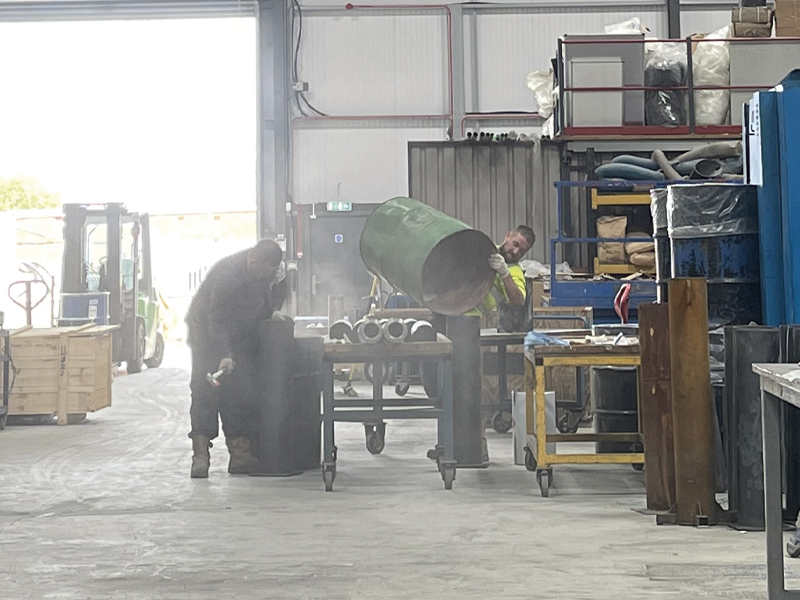
Diffusion Alloys specialises in advanced diffusion coatings that provide long-term protection against oxidation, carburisation, sulphidation, metal dusting and other high-temperature degradation mechanisms.
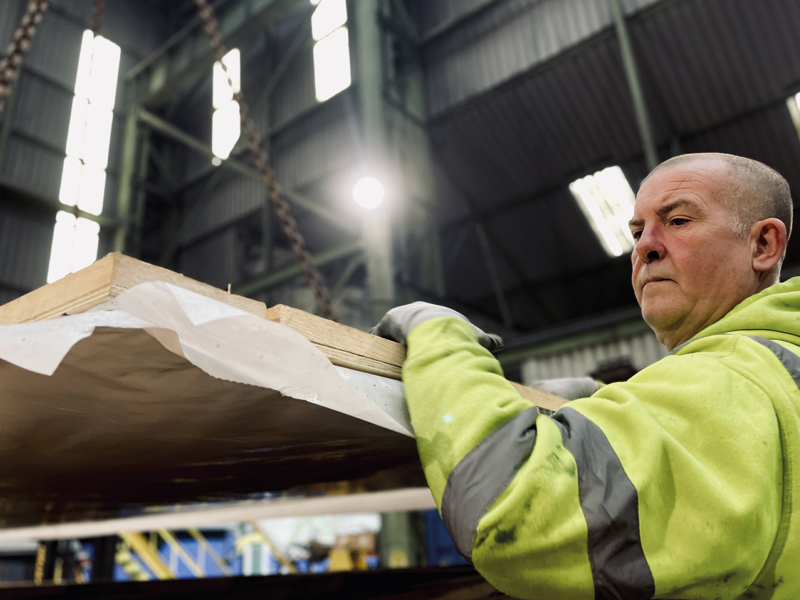
For nearly 70 years, we’ve partnered with manufacturers across the aerospace, energy, petrochemical, hydrogen and process industries to engineer coating solutions that improve reliability, extend component life and reduce maintenance costs.
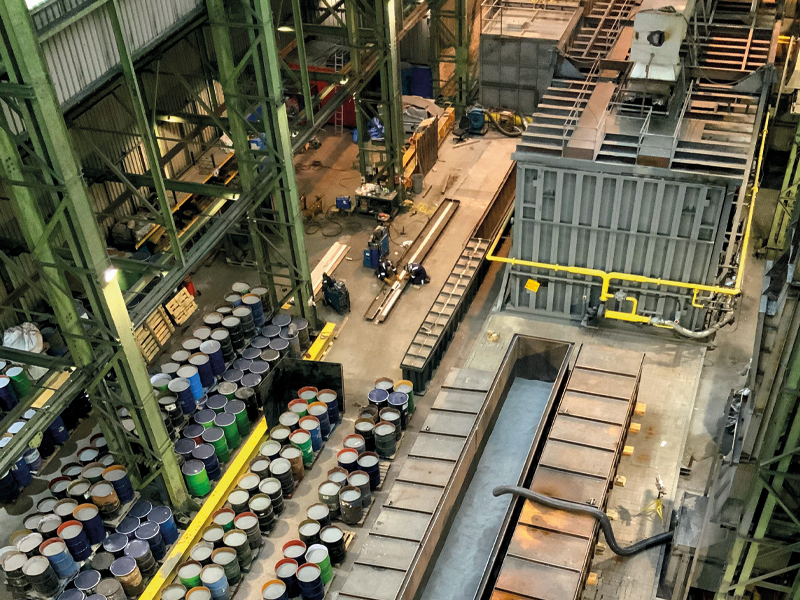
Diffusion Alloys specialises in advanced diffusion coatings that provide long-term protection against oxidation, carburisation, sulphidation, metal dusting and other high-temperature degradation mechanisms.
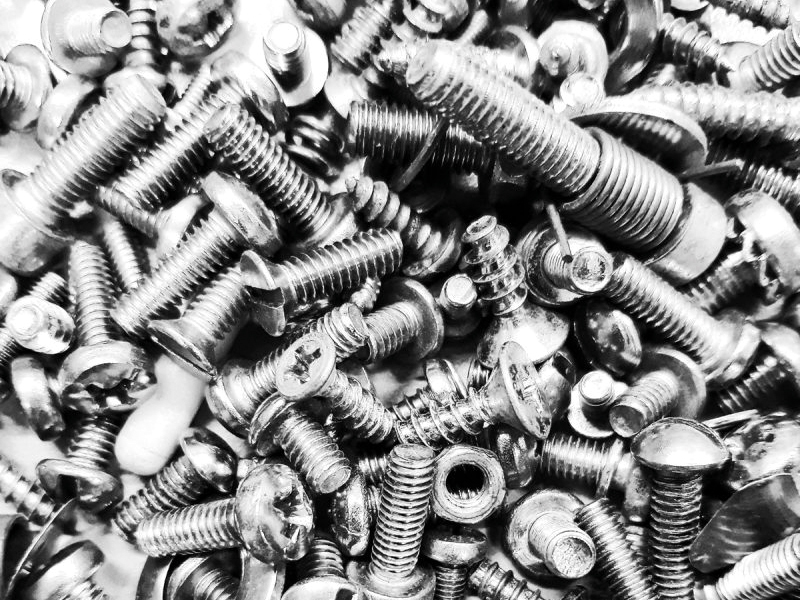
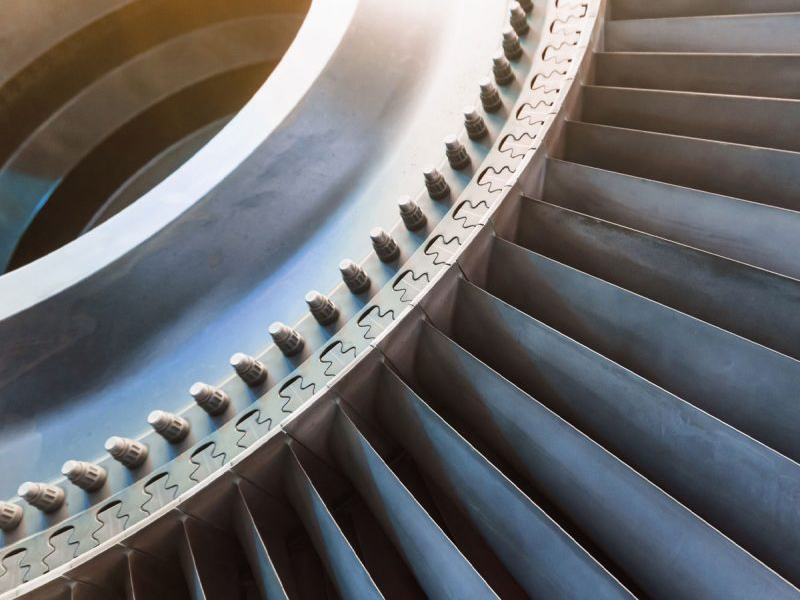
Aluminising, sometimes referred to as Alonizing and Calorizing, is a high temperature chemical process whereby aluminium diffuses into the surface of the base metal to form a metallurgical aluminide surface layer.
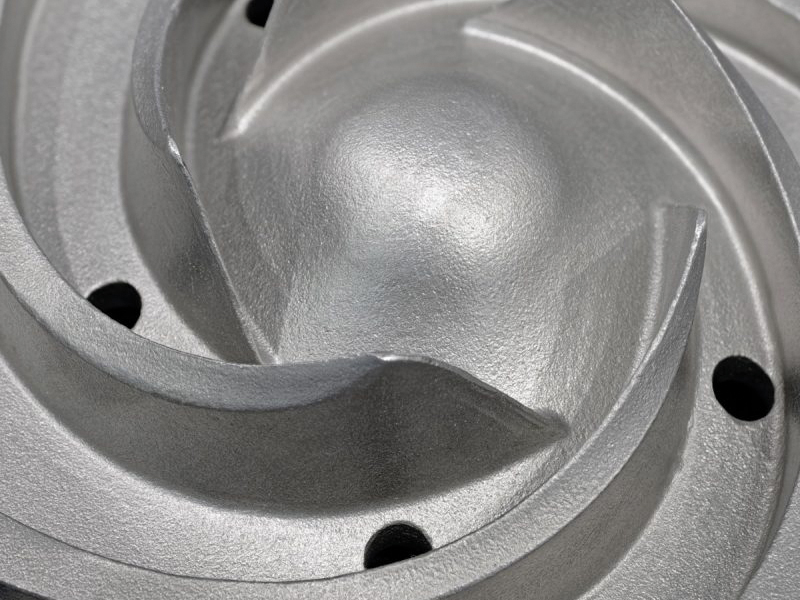
Diffusion Alloys was the first company world-wide to launch (in the 1950s) chromising as a commercial industrial diffusion coating process.
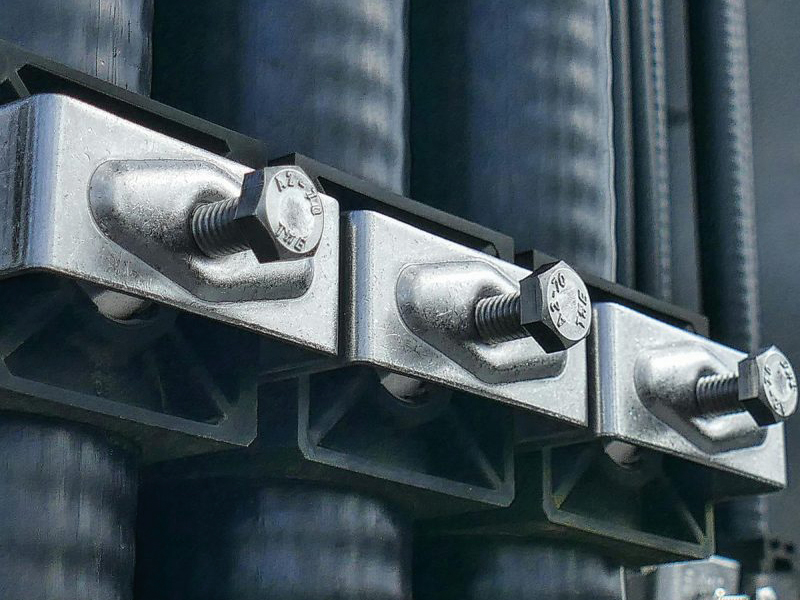
Boronising, sometimes referred to as boriding, is a diffusion coating that has a low co-efficient of friction that is capable of retaining its high hardness at elevated temperatures.
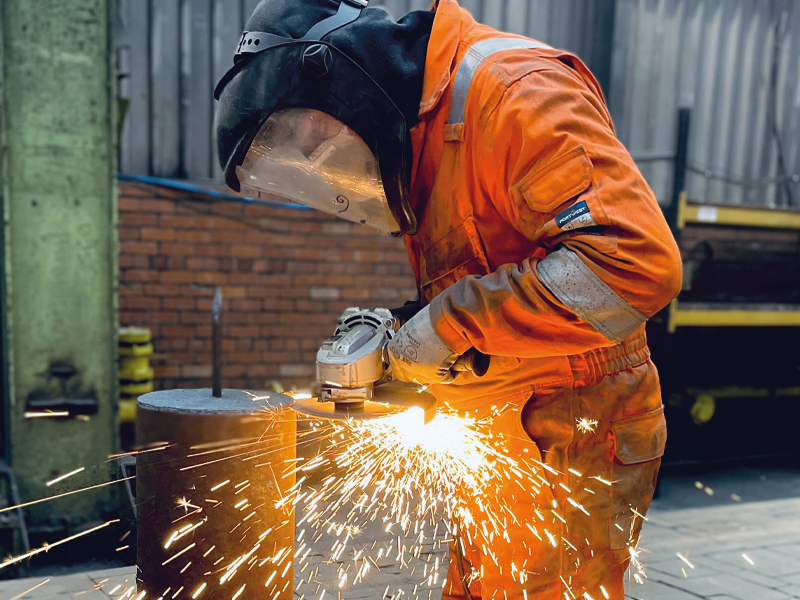
Diffusion Alloys provides coatings that conform to ASTM standards for diffusion coatings and that conform to customer defined specifications.
We are at the forefront of applications for clean energy and the hydrogen industry.
Large-scale hydrogen generation
Hydrogen electrolysers (SOE)
Fuel cells (SOFC)
Energy storage
Nuclear
Other specialist life extension
With over 60 years of industry experience, we're a global specialist in the application of a range of protective coatings against metal degradation.
We have been supplying diffusion coating services for over 60 years. In 1955 the Company became the first company world-wide to launch chromising as a commercial industrial diffusion coating.
We have decades of experience in coatings for the industrial gas turbine market and the oil, gas and process industries and have developed a leading position in diffusion coating for clean technology applications.
We consider the Health & Safety of its employees, customers, visitors and the general public to be of prime importance. We take an ethical approach to our environmental responsibility & waste management.
We pride ourselves on consistently scoring as best coating supplier for quality with a number of our major and long term customers which is testimony to our quality management system.


 D
D