
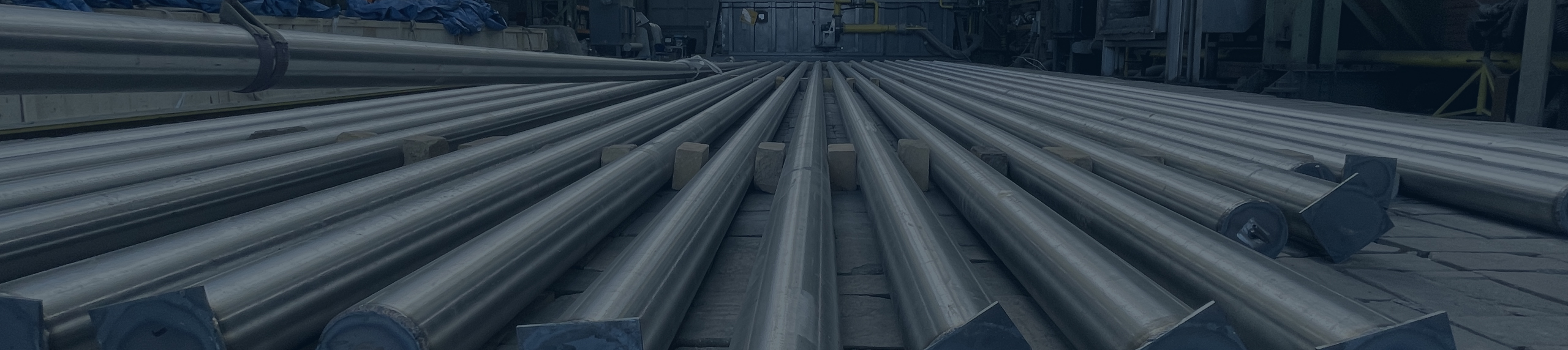
Metal Dusting in Reformer Systems
Metal dusting is one of the most aggressive forms of high-temperature corrosion encountered in carbon-rich industrial process environments.
For operators of hydrogen, ammonia, methanol and syngas/HyCO plants, it can present a serious threat to critical metallic components.
Under susceptible operating conditions, metal dusting can cause an alloy to progressively break down at its surface, resulting in severe and potentially localised material loss.
But the real issue for an operator is not simply the corrosion mechanism itself.
It is what that degradation can mean for component life, inspection, maintenance, replacement and the long-term reliability of valuable process equipment.
Understanding why metal dusting occurs — and preventing the process environment from attacking the underlying alloy — can therefore be an important part of extending component life.
Diffusion aluminising provides an established surface-engineering approach designed to increase resistance to metal dusting by creating an aluminium-rich surface capable of forming a protective barrier between the alloy and its environment.
What Is Metal Dusting?
Metal dusting is a catastrophic form of carburisation-related corrosion that can affect iron-, nickel- and cobalt-based alloys under particular high-carbon-activity conditions.
Unlike conventional oxidation, where a visible oxide scale develops at the surface, metal dusting involves progressive degradation of the alloy itself.
Under susceptible conditions, carbon interacts with the metallic surface and can contribute to destabilisation of the alloy.
The affected material can ultimately break down into a mixture of:
- Carbon
- Metal particles
- Carbides
- Corrosion products
The characteristic appearance of this material gives metal dusting its name.
Attack can be localised, creating pits and areas of significant material loss rather than a predictable uniform reduction in section thickness.
For high-value process components intended to operate for many years, this makes metal dusting particularly undesirable.
Where Does Metal Dusting Occur?
Metal dusting is associated with carbon-rich gaseous environments within a particular range of operating conditions.
Potentially susceptible environments can occur within equipment associated with:
- Hydrogen production
- Steam methane reforming
- Ammonia production
- Methanol production
- Syngas and HyCO production
- Petrochemical processing
- Other carbon-rich high-temperature processes
However, the presence of carbon alone does not mean metal dusting will occur.
Risk depends on the interaction between factors including:
Temperature + Gas Composition + Carbon Activity + Pressure + Alloy Composition + Surface Condition + Exposure Time
For this reason, metal dusting should always be assessed in the context of the actual operating environment.
Why Is Metal Dusting Such a Serious Problem?
Metal dusting is technically interesting, but for plant operators its importance lies in its consequences.
Localised Material Loss
Attack can develop locally and progressively penetrate the component.
This can make degradation more difficult to manage than predictable uniform corrosion.
Reduced Component Life
Where metal dusting becomes sufficiently severe, environmental degradation can become one of the factors limiting the useful life of the affected component.
Increased Inspection Requirements
Components operating in known metal-dusting environments may require inspection and monitoring to assess the progression of damage.
Maintenance Intervention
Progressive degradation can result in repair, refurbishment or replacement becoming necessary.
Replacement of High-Value Components
Reformer and process-industry components are often manufactured from specialist high-temperature alloys.
Premature replacement means losing some of the value already invested in those materials and their manufacture.
Potential Impact on Plant Availability
Where damaged equipment requires intervention, the consequences can extend beyond the individual component to maintenance and shutdown planning.
This is why metal dusting prevention should not be considered simply as a corrosion problem.
It is a component-lifecycle and asset-protection problem.
Why Can High-Temperature Alloys Still Be Vulnerable?
High-temperature process equipment is manufactured from specialist alloys for good reason.
These materials can provide combinations of:
- High-temperature strength
- Creep resistance
- Metallurgical stability
- Oxidation resistance
- Fabricability
- Long-term mechanical performance
But no alloy provides unlimited resistance to every possible operating environment.
A material selected primarily for mechanical performance can still experience environmental attack under sufficiently aggressive conditions.
Increasing alloy content throughout the entire component is also not always the most technically or economically appropriate answer.
This is where surface engineering provides another option.
The underlying alloy can continue to provide the structural and mechanical properties required by the component, while the surface is engineered specifically to resist the surrounding environment.
Preventing Metal Dusting by Controlling the Surface
Metal dusting begins through interaction between the process environment and the metallic surface.
Preventing or significantly reducing that interaction is therefore a logical protection strategy.
One approach is to create a surface capable of forming a stable protective oxide barrier.
Aluminium is particularly valuable in high-temperature surface engineering because, under appropriate conditions, an aluminium-rich surface can form alumina (Al₂O₃).
A stable alumina scale provides a barrier that reduces contact between the carbon-rich environment and the underlying alloy.
This can interrupt the reactions required for metal dusting to progress.
How Diffusion Aluminising Provides Protection
Diffusion aluminising is a thermochemical surface treatment used to enrich the surface region of a metallic component with aluminium.
During treatment, aluminium diffuses into and reacts with the substrate at elevated temperature.
The result is a metallurgically bonded aluminide diffusion layer.
This is fundamentally different from simply painting, spraying or depositing a separate coating onto the component.
The protective region is created through diffusion into the substrate itself.
When exposed to appropriate operating conditions, the aluminium-rich surface can develop a stable, slow-growing alumina scale.
This protective scale acts as a barrier between the process environment and the underlying material.
The protection mechanism can be viewed simply:
Carbon-rich environment
↓
Protective alumina scale
↓
Aluminium-rich diffusion layer
↓
High-value substrate alloy
By controlling the interaction at the surface, diffusion aluminising can significantly increase resistance to metal dusting in suitable applications.
Why Diffusion Bonding Matters
High-temperature industrial components operate under conditions that place significant demands on any surface treatment.
A protective layer must function while exposed to thermal cycles, prolonged high-temperature service and aggressive process chemistry.
Because diffusion aluminising forms through interaction between aluminium and the substrate, the coating is metallurgically bonded rather than mechanically attached.
This makes diffusion coatings particularly suited to demanding high-temperature applications where environmental protection is required over extended periods.
The coating chemistry and structure will depend on factors including the substrate material and processing specification.
Which Components Can Be Protected?
Metal dusting can affect different equipment depending on plant design, temperature profile and process conditions.
Potential applications for diffusion aluminising may include selected:
Reformer Tubes
High-value reformer tubes may be exposed to environments capable of promoting metal dusting or carburisation.
Where environmental degradation contributes to loss of useful life, aluminising can provide additional protection.
Headers and Collectors
Selected headers, collectors and associated process components may encounter metal-dusting conditions depending on their location and operating environment.
Heat Exchanger Components
Components involved in heating or cooling carbon-containing process streams may pass through temperature ranges where metal dusting becomes a concern.
Piping and Associated Components
Selected process piping or associated metallic components may also require protection where the operating environment presents an identified metal-dusting risk.
Other High-Temperature Components
Applications should be assessed individually rather than assuming every component requires the same treatment.
Diffusion Alloys can evaluate the material, geometry and operating conditions to determine whether aluminising is technically appropriate.
Metal Dusting vs Carburisation
Metal dusting and carburisation are related to the interaction between carbon and metallic materials, but they should not be treated as identical degradation mechanisms.
Carburisation involves carbon diffusing into an alloy and reacting with alloying elements, often resulting in internal carbide formation and changes to the material’s microstructure.
Metal dusting involves a more severe breakdown of the alloy, which can result in significant material loss and disintegration of the affected surface.
Both can threaten component performance.
And in both cases, reducing interaction between carbon and the underlying alloy can provide an important protection mechanism.
Carburisation in Reformer Tubes: Protecting High-Value Alloys
Metal Dusting vs High-Temperature Oxidation
Oxidation and metal dusting also require different environmental conditions and involve different degradation mechanisms.
However, protective oxide formation is central to the way diffusion aluminising can help address both.
An aluminium-rich diffusion layer can promote the formation of a stable alumina scale.
In oxidising environments, that scale protects against continued oxidation.
In susceptible carbon-rich environments, it can provide a barrier between the process gas and the underlying alloy, helping inhibit the reactions associated with metal dusting.
The Commercial Value of Preventing Metal Dusting
The value of metal dusting protection should not be measured solely in terms of corrosion rate.
For operators, the more important question is:
What happens if the component is not protected?
If metal dusting contributes to premature component replacement, the lifecycle impact can include:
- Replacement component cost
- Specialist alloy and manufacturing requirements
- Inspection and maintenance
- Removal and installation
- Associated plant intervention
This changes the economic case for surface protection.
The cost of diffusion aluminising should not be viewed in isolation.
It should be evaluated against the potential value of protecting the component and maximising the useful service obtained from it.
Surface Protection as Part of Lifecycle Management
Not every component affected by metal dusting will achieve the same service-life improvement from aluminising.
Component performance depends on the complete combination of:
- Material
- Mechanical loading
- Temperature
- Process chemistry
- Coating specification
- Operating history
- Inspection and maintenance practices
Diffusion aluminising addresses the environmental degradation element of that equation.
Where metal dusting is one of the mechanisms limiting component life, increasing resistance to that mechanism can form part of a broader asset-lifecycle strategy.
Proven Operating Experience Matters
High-temperature corrosion protection should be supported by more than theoretical chemistry.
Real operating experience provides valuable evidence of how a surface treatment performs over time.
Diffusion Alloys has extensive experience applying diffusion coatings to components used in demanding process environments, including applications where metal dusting resistance is required.
Our technical team evaluates factors including:
- Substrate alloy
- Component geometry
- Operating temperature
- Process gas composition
- Carbon activity and relevant environmental conditions
- Existing degradation
- Areas requiring protection
- Required coating characteristics
- Previous service experience where applicable
This enables the treatment to be considered against the actual component and operating environment.
Start With the Degradation Problem
Diffusion aluminising should not be applied simply because equipment operates at high temperature.
The first step is understanding the problem.
What does the damage look like?
Where is it occurring?
What material is affected?
What are the operating conditions?
Is metal dusting genuinely the dominant degradation mechanism?
Once those questions are understood, an appropriate surface-engineering solution can be considered.
If metal dusting is limiting component performance, an aluminium-rich diffusion layer may provide an effective means of protecting the valuable material beneath.
From Metal Dusting Prevention to Longer Component Life
Preventing metal dusting is not the final objective.
The real objective is protecting the equipment.
By creating a metallurgically bonded aluminium-rich surface capable of developing a protective alumina scale, diffusion aluminising can increase resistance to one of the most aggressive degradation mechanisms encountered in carbon-rich high-temperature environments.
For operators of reformers and other process equipment, that supports a broader goal:
Reduce environmental attack. Protect high-value components. Extend useful service life.
Discuss Your Metal Dusting Application
If components within your plant are experiencing suspected or confirmed metal dusting, Diffusion Alloys can review the component material, operating environment and degradation conditions to determine whether diffusion aluminising may provide an appropriate protection solution.
Related Resources from Diffusion Alloys:
Diffusion Alloys specialises in advanced diffusion coatings that provide long-term protection against oxidation, carburisation, sulphidation, metal dusting and other high-temperature degradation mechanisms.
For nearly 70 years, we’ve partnered with manufacturers across the aerospace, energy, petrochemical, hydrogen and process industries to engineer coating solutions that improve reliability, extend component life and reduce maintenance costs.
Diffusion Alloys specialises in advanced diffusion coatings that provide long-term protection against oxidation, carburisation, sulphidation, metal dusting and other high-temperature degradation mechanisms.
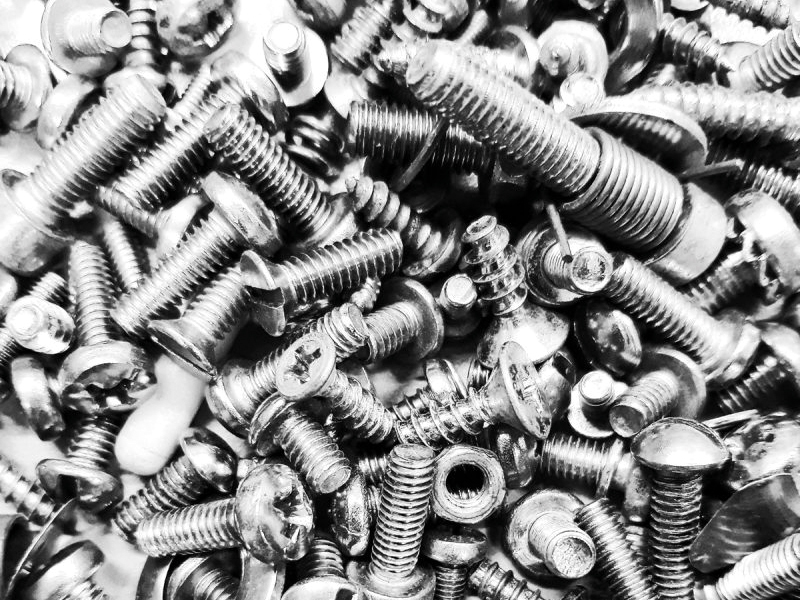
Aluminising, sometimes referred to as Alonizing and Calorizing, is a high temperature chemical process whereby aluminium diffuses into the surface of the base metal to form a metallurgical aluminide surface layer.
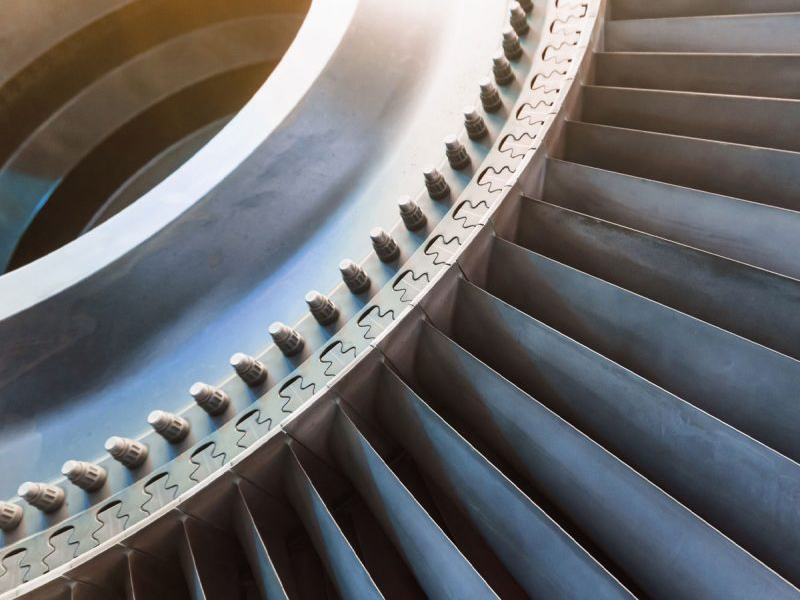
Diffusion Alloys was the first company world-wide to launch (in the 1950s) chromising as a commercial industrial diffusion coating process.
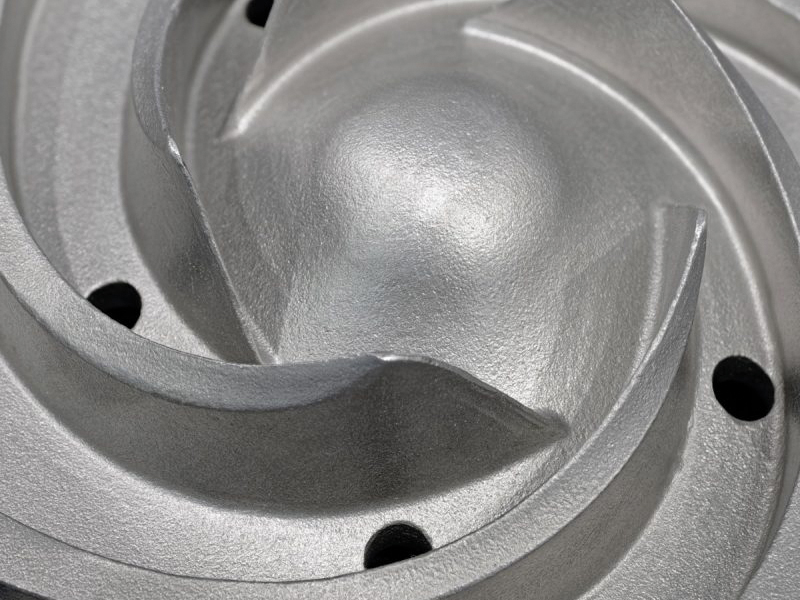
Boronising, sometimes referred to as boriding, is a diffusion coating that has a low co-efficient of friction that is capable of retaining its high hardness at elevated temperatures.
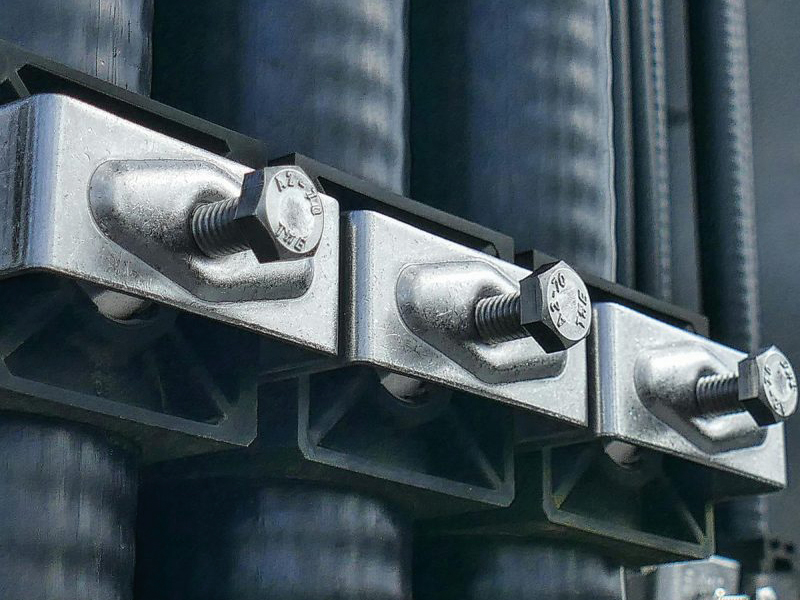
Diffusion Alloys provides coatings that conform to ASTM standards for diffusion coatings and that conform to customer defined specifications.
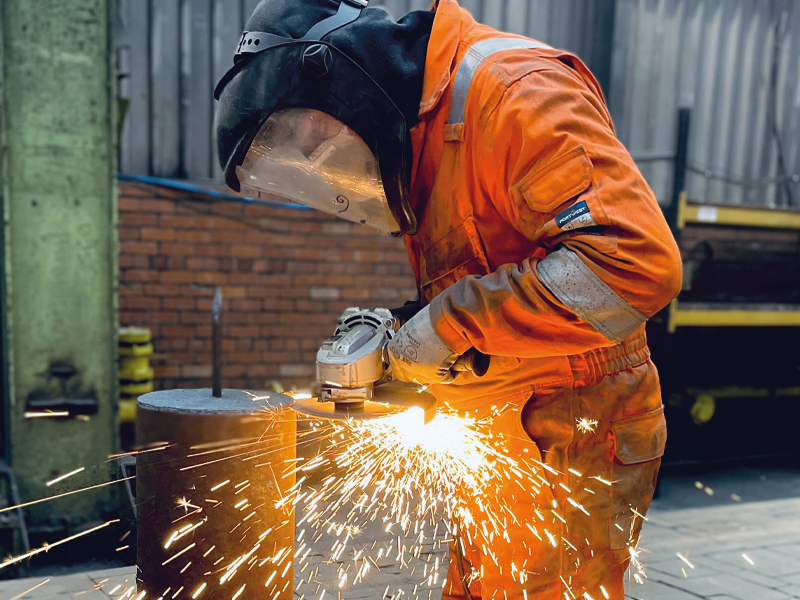
We are at the forefront of applications for clean energy and the hydrogen industry.
Large-scale hydrogen generation
Hydrogen electrolysers (SOE)
Fuel cells (SOFC)
Energy storage
Nuclear
Other specialist life extension
With over 60 years of industry experience, we're a global specialist in the application of a range of protective coatings against metal degradation.
We have been supplying diffusion coating services for over 60 years. In 1955 the Company became the first company world-wide to launch chromising as a commercial industrial diffusion coating.
We have decades of experience in coatings for the industrial gas turbine market and the oil, gas and process industries and have developed a leading position in diffusion coating for clean technology applications.
We consider the Health & Safety of its employees, customers, visitors and the general public to be of prime importance. We take an ethical approach to our environmental responsibility & waste management.
We pride ourselves on consistently scoring as best coating supplier for quality with a number of our major and long term customers which is testimony to our quality management system.


 D
D