
High-Temperature Oxidation in Reformer Systems
Reformer systems depend on metallic components capable of operating reliably for prolonged periods at elevated temperatures.
Across hydrogen, ammonia, methanol and syngas/HyCO production, equipment can be exposed to high-temperature environments where oxidation progressively affects the surface of the material.
Although high-temperature alloys are specifically selected for demanding service, oxidation resistance is not unlimited.
Under sufficiently aggressive conditions, oxide scales can grow, crack or spall, exposing fresh material and allowing degradation to continue.
For plant operators, the issue is therefore not simply whether oxidation occurs.
The important question is whether oxidation is limiting the useful life or performance of a high-value component.
Where it is, diffusion aluminising can provide an additional line of defence by creating an aluminium-rich surface engineered to form a stable, protective alumina scale.
What Is High-Temperature Oxidation?
High-temperature oxidation occurs when a metallic material reacts with oxygen or an oxygen-containing environment at elevated temperature.
This reaction produces an oxide at the component surface.
Oxidation itself is not necessarily catastrophic.
In fact, the ability of some materials to form protective oxide scales is fundamental to their high-temperature corrosion resistance.
The important distinction is between an oxide that protects the underlying material and one that allows degradation to continue.
An effective protective scale should ideally be:
- Stable at the operating temperature
- Slow-growing
- Adherent to the underlying material
- Resistant to cracking and spallation
- Capable of limiting further transport of reactive species
If these conditions are not maintained, oxidation can progressively consume the underlying material.
Why Oxide Scale Stability Matters
When an effective protective oxide develops, it creates a barrier between the environment and the metallic substrate.
Further oxidation can then proceed only as reactive species move through that barrier.
A stable and slow-growing oxide can therefore significantly reduce the rate of continued material degradation.
Problems can arise when the scale:
- Grows too rapidly
- Becomes mechanically unstable
- Cracks
- Spalls from the surface
- Loses adherence during thermal cycling
- Fails to reform effectively
If the protective layer is lost, fresh metallic material becomes exposed.
A new oxide then forms and the cycle can repeat.
Over prolonged high-temperature service, repeated oxide formation and loss can contribute to progressive material consumption.
Why Reformer Components Are Challenging
Components associated with reformer systems can experience demanding combinations of:
- High temperature
- Long operating periods
- Changing process environments
- Thermal gradients
- Start-up and shutdown cycles
- Different atmospheres across component surfaces
The severity of oxidation depends on the actual component and operating environment.
Material composition is also critical.
High-temperature alloys contain elements selected to provide combinations of mechanical strength and environmental resistance, but alloy design always involves balancing multiple requirements.
This means the optimum bulk material for the component is not necessarily the optimum surface chemistry for every environment it encounters.
When Oxidation Becomes a Lifecycle Problem
For an operator, the important consequence of oxidation is what it does to the equipment over time.
Where high-temperature oxidation contributes to progressive component degradation, potential consequences can include:
Material Loss
Continued oxidation can progressively consume material from the component surface.
Scale Formation and Spallation
Repeated oxide growth and loss can affect the surface condition and expose additional material to attack.
Reduced Useful Component Life
Where environmental degradation becomes sufficiently severe, it can contribute to a component reaching intervention or replacement criteria earlier than anticipated.
Increased Inspection and Maintenance
Components exposed to known high-temperature degradation mechanisms may require additional monitoring throughout their operating life.
Premature Replacement
Replacing specialist high-temperature equipment before the underlying material has delivered its potential useful life carries both technical and economic consequences.
For this reason, oxidation control should be considered as part of component lifecycle management, rather than simply a surface appearance issue.
Why Not Rely Solely on the Base Alloy?
High-temperature reformer components require a combination of properties.
The substrate may need to provide:
- High-temperature strength
- Creep resistance
- Mechanical stability
- Fabricability
- Weldability
- Long-term metallurgical performance
- Environmental resistance
Increasing oxidation resistance through the bulk material alone is not always the most appropriate solution.
Surface engineering allows the requirements to be separated.
The substrate can provide the structural properties.
The surface can be engineered to provide additional environmental resistance.
This allows a high-value component to retain the properties of its selected base alloy while providing additional protection at the interface with the operating environment.
How Diffusion Aluminising Protects Against Oxidation
Diffusion aluminising enriches the surface region of a metallic component with aluminium.
During treatment, aluminium is introduced at elevated temperature and diffuses into and reacts with the substrate.
This produces a metallurgically bonded aluminide diffusion layer.
When exposed to appropriate high-temperature conditions, the aluminium-rich surface can form a protective alumina (Al₂O₃) scale.
Alumina is particularly valuable as a high-temperature protective oxide because, under suitable conditions, it can be stable, adherent and slow-growing.
The resulting protection system can be viewed as:
High-temperature environment
↓
Protective alumina scale
↓
Aluminium-rich diffusion layer
↓
High-value substrate alloy
The objective is to reduce continued reaction between the environment and the underlying component.
The Alumina Scale Is the Key
The diffusion layer itself provides the aluminium reservoir required to establish and maintain the protective surface oxide.
During high-temperature exposure, aluminium at the surface reacts preferentially with oxygen to form alumina.
Once an effective alumina scale is established, it restricts the transport of oxygen towards the substrate and metallic species away from it.
This slows continued oxidation.
For long-term service, maintaining sufficient aluminium within the diffusion layer is therefore important to the performance of the protection system.
The required coating characteristics depend on the substrate material and intended operating environment.
More Than Oxidation Protection
One advantage of an aluminium-rich diffusion surface is that its protective role can extend beyond conventional oxidation.
Depending on the operating environment, the alumina barrier can also reduce interaction between the substrate and carbon-containing process gases.
This means diffusion aluminising can provide resistance to other degradation mechanisms relevant to reformer systems, including:
Metal Dusting
The protective surface can help isolate the underlying alloy from environments capable of promoting severe carbon-related breakdown.
Metal Dusting in Reformer Systems: Causes, Consequences & Prevention
Carburisation
The protective barrier can reduce carbon ingress into susceptible alloys.
Carburisation in Reformer Tubes: Protecting High-Value Alloys
This makes diffusion aluminising particularly relevant where components may encounter more than one environmental degradation mechanism during service.
Protecting Critical Reformer Components
High-temperature oxidation can affect many different types of equipment.
The suitability of diffusion aluminising depends on the component material, geometry and actual operating environment.
Potential applications can include selected:
Reformer Tubes
Reformer tubes are high-value components required to retain mechanical integrity during prolonged high-temperature service.
Where oxidation or related environmental degradation contributes to loss of useful life, surface engineering can provide additional protection.
Burner Components
Burner equipment can experience sustained exposure to high-temperature combustion environments.
Diffusion aluminising can be considered where oxidation resistance is a key service requirement.
Tube Supports and Hangers
Supporting components may also operate at elevated temperatures for prolonged periods and can be exposed to significant oxidation.
Protecting these components can help preserve the material beneath the surface.
Headers and Collectors
Depending on their location and operating conditions, selected header and collector components may benefit from additional environmental resistance.
Other High-Temperature Components
Additional reformer and process equipment can be assessed individually according to material, temperature, environment and observed degradation.
Oxidation Protection and Component Life
Applying a diffusion coating does not determine the complete service life of a reformer component.
Component life is influenced by many interacting factors, including:
- Mechanical loading
- Creep
- Thermal cycling
- Metallurgical ageing
- Process conditions
- Oxidation
- Carburisation
- Metal dusting
- Other forms of corrosion
Diffusion aluminising addresses the surface-environment interaction.
Where oxidation is one of the factors limiting component life, increasing resistance to that mechanism can help support longer useful service.
This distinction is important.
The objective is not to claim that a coating eliminates every potential cause of component failure.
It is to identify a specific degradation route and engineer the surface to resist it.
The Lifecycle Economics of Oxidation Protection
High-temperature components manufactured from specialist alloys represent a significant investment.
If environmental degradation causes those components to require replacement prematurely, the lifecycle cost extends beyond the price of the replacement part.
Operators may need to consider:
- Component manufacture
- Surface treatment
- Inspection
- Maintenance
- Replacement frequency
- Removal and installation
- Associated plant intervention
The economic value of diffusion aluminising should therefore be considered against the potential cost and operational implications of the degradation it is intended to prevent.
The aim is not simply to reduce oxidation. It is to protect the value contained within the component.
Extending Component Life and Material Efficiency
High-temperature process components often contain significant quantities of valuable alloying elements.
Manufacturing replacement equipment also requires raw materials, energy, processing, transportation and installation.
Where environmental protection enables a component to remain serviceable for longer, the frequency with which these resources are required may be reduced.
This provides an additional material-efficiency benefit alongside the primary objectives of component integrity, reliability and lifecycle performance.
Start With the Operating Environment
High temperature alone is not sufficient reason to specify diffusion aluminising.
The protection system must be appropriate for the actual application.
Important considerations include:
What material is the component manufactured from?
What temperature does the surface experience?
What atmosphere is present?
Is oxidation actually limiting component performance?
Does the component experience thermal cycling?
Are other mechanisms such as carburisation or metal dusting also present?
Which surfaces require protection?
Answering these questions allows the coating specification to be developed around a real engineering requirement.
Application-Specific Surface Engineering
Diffusion Alloys has decades of experience developing and applying diffusion coatings for demanding high-temperature industrial environments.
Our technical team can review:
- Substrate alloy
- Component geometry
- Areas requiring treatment
- Operating temperature
- Process environment
- Existing degradation
- Service history
- Required coating characteristics
The objective is to establish the relationship between:
Material + Environment + Degradation Mechanism + Diffusion Coating
This application-led approach ensures that aluminising is used where it provides a technically appropriate solution rather than simply because a component operates at elevated temperature.
Protect the Surface. Preserve the Component.
High-temperature oxidation begins at the interface between a component and its operating environment.
When the naturally forming surface scale cannot provide sufficient long-term protection, environmental degradation can progressively consume valuable material.
Diffusion aluminising changes that interface.
By creating a metallurgically bonded aluminium-rich surface capable of developing a protective alumina scale, it provides an additional barrier between the environment and the high-value alloy beneath.
For reformer operators, the objective is straightforward:
Control oxidation. Protect the underlying alloy. Extend useful component life.
Discuss Your High-Temperature Oxidation Application
If reformer or other process components are experiencing high-temperature oxidation, scale breakdown, metal dusting, carburisation or related environmental degradation, Diffusion Alloys can review the component and operating conditions to determine whether diffusion aluminising may provide an appropriate protection solution.
Related Resources from Diffusion Alloys:
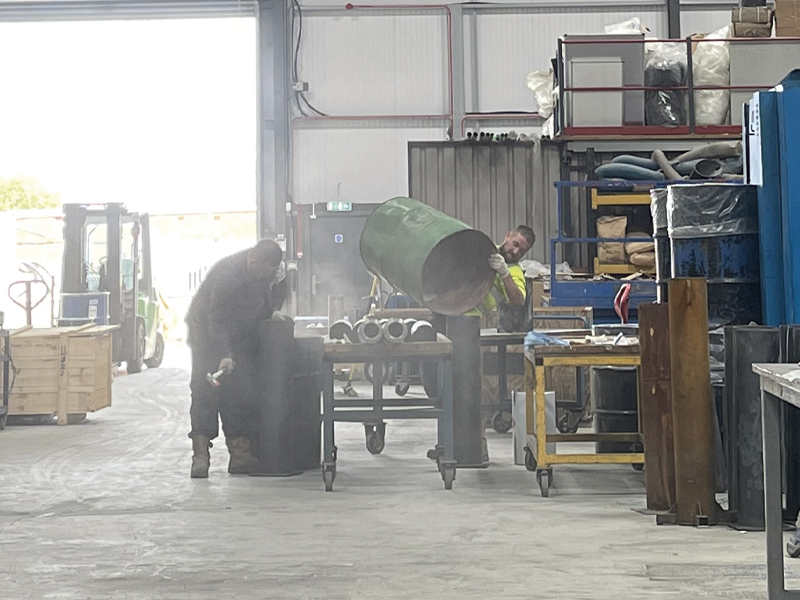
Diffusion Alloys specialises in advanced diffusion coatings that provide long-term protection against oxidation, carburisation, sulphidation, metal dusting and other high-temperature degradation mechanisms.
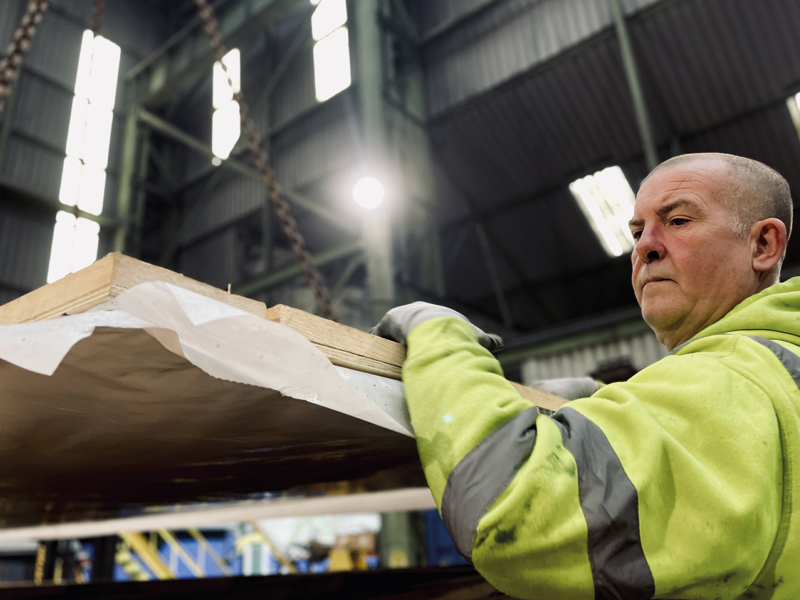
For nearly 70 years, we’ve partnered with manufacturers across the aerospace, energy, petrochemical, hydrogen and process industries to engineer coating solutions that improve reliability, extend component life and reduce maintenance costs.
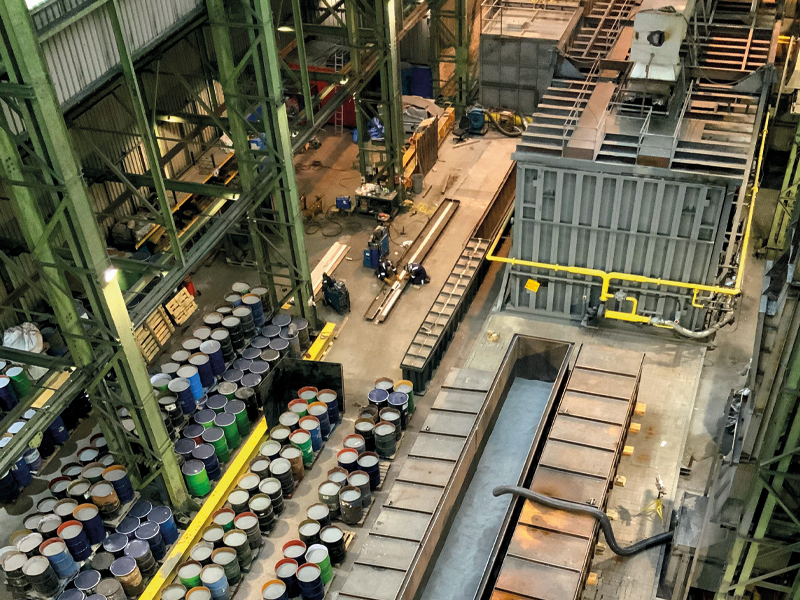
Diffusion Alloys specialises in advanced diffusion coatings that provide long-term protection against oxidation, carburisation, sulphidation, metal dusting and other high-temperature degradation mechanisms.
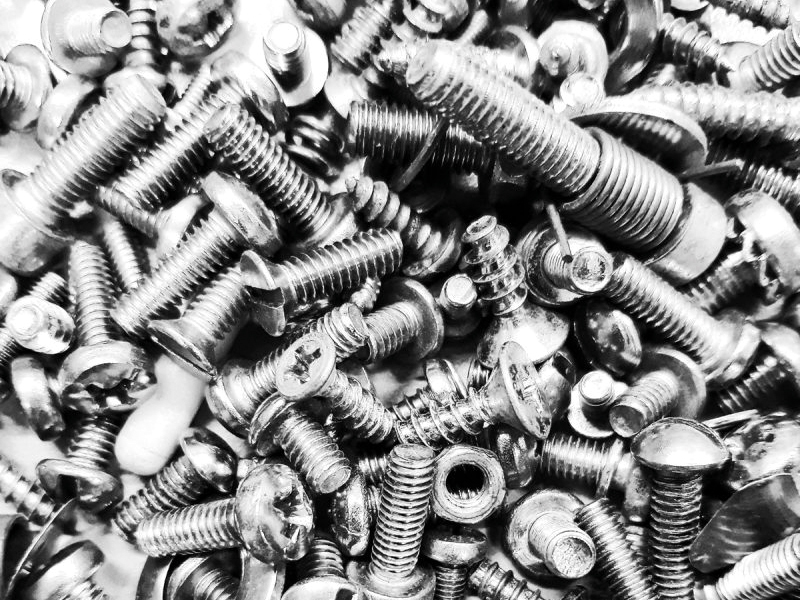
Aluminising, sometimes referred to as Alonizing and Calorizing, is a high temperature chemical process whereby aluminium diffuses into the surface of the base metal to form a metallurgical aluminide surface layer.
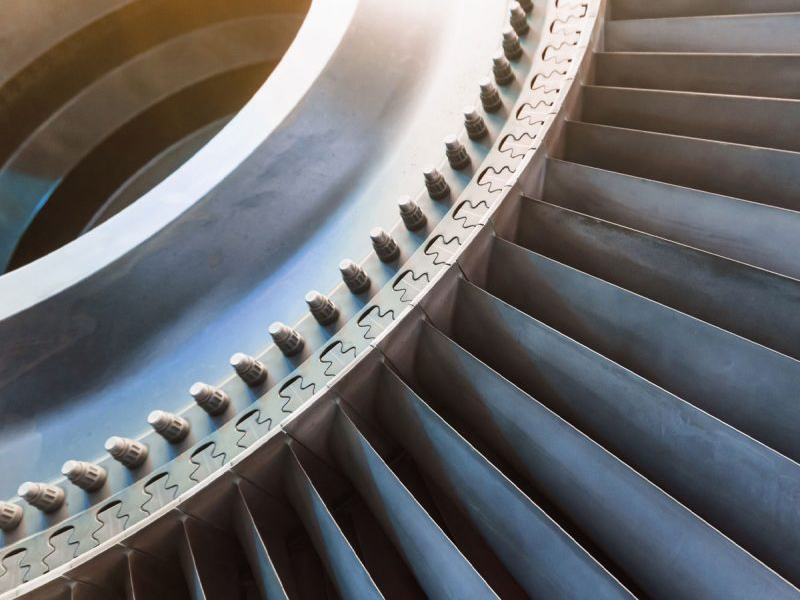
Diffusion Alloys was the first company world-wide to launch (in the 1950s) chromising as a commercial industrial diffusion coating process.
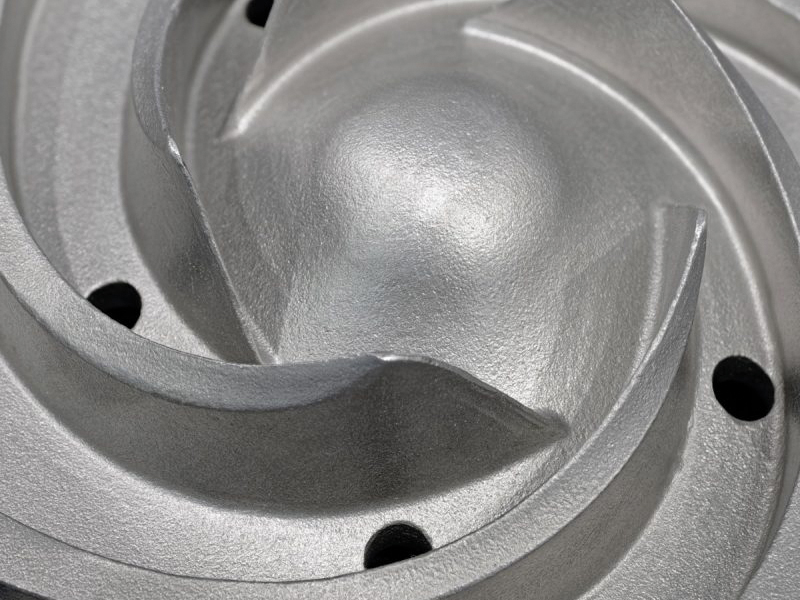
Boronising, sometimes referred to as boriding, is a diffusion coating that has a low co-efficient of friction that is capable of retaining its high hardness at elevated temperatures.
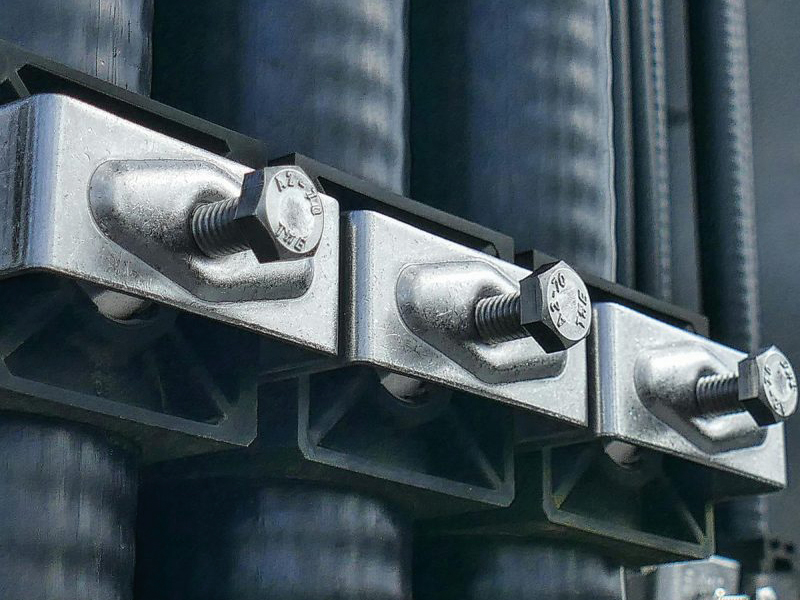
Diffusion Alloys provides coatings that conform to ASTM standards for diffusion coatings and that conform to customer defined specifications.
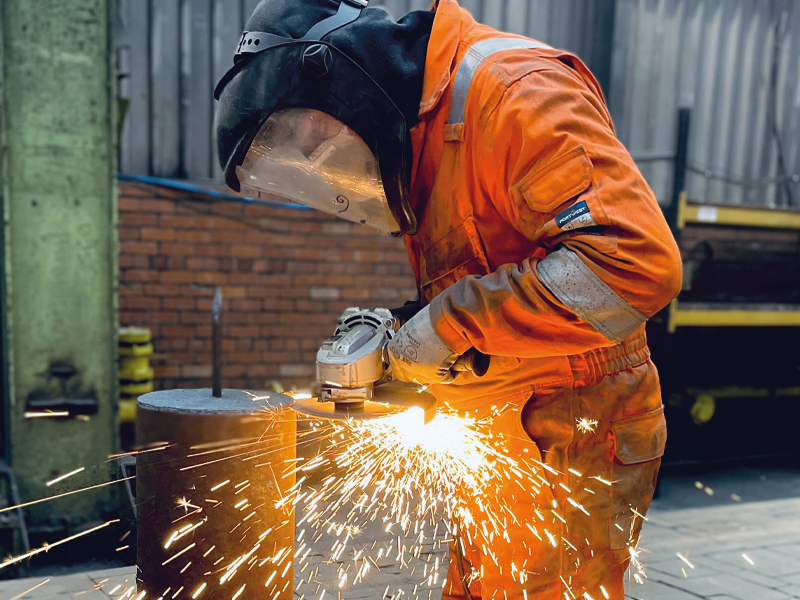
We are at the forefront of applications for clean energy and the hydrogen industry.
Large-scale hydrogen generation
Hydrogen electrolysers (SOE)
Fuel cells (SOFC)
Energy storage
Nuclear
Other specialist life extension
With over 60 years of industry experience, we're a global specialist in the application of a range of protective coatings against metal degradation.
We have been supplying diffusion coating services for over 60 years. In 1955 the Company became the first company world-wide to launch chromising as a commercial industrial diffusion coating.
We have decades of experience in coatings for the industrial gas turbine market and the oil, gas and process industries and have developed a leading position in diffusion coating for clean technology applications.
We consider the Health & Safety of its employees, customers, visitors and the general public to be of prime importance. We take an ethical approach to our environmental responsibility & waste management.
We pride ourselves on consistently scoring as best coating supplier for quality with a number of our major and long term customers which is testimony to our quality management system.


 D
D