
Hydrogen Reformer Components Against Degradation
Hydrogen reformers operate in some of the most demanding environments found within process industries. High temperatures combined with reactive and carbon-containing gases can expose critical metallic components to metal dusting, carburisation and high-temperature oxidation.
For hydrogen producers, these mechanisms can become more than a corrosion problem. Where environmental degradation limits component life, it can contribute to increased inspection and maintenance requirements, premature replacement and associated plant intervention.
The challenge is therefore straightforward:
How can critical hydrogen reformer components be protected for longer?
Diffusion aluminising provides a surface-engineering solution designed to increase resistance to high-temperature environmental degradation while retaining the essential properties of the underlying component material.
The Challenge in Hydrogen Reforming
Steam methane reforming and related processes rely on equipment capable of operating reliably under severe thermal and chemical conditions.
Depending on their location and function, components can experience:
- High operating temperatures
- Carbon-containing process gases
- Reducing and oxidising conditions
- Thermal gradients and cycling
- Extended periods of continuous operation
High-temperature alloys are selected to withstand these demanding conditions, but the component surface remains the first point of interaction with the process environment.
Where that interaction results in progressive environmental attack, surface degradation can become a limiting factor in useful component life.
Key Degradation Mechanisms
Metal Dusting
Metal dusting is a severe form of high-temperature corrosion associated with certain carbon-rich environments.
Under susceptible conditions, the alloy can progressively break down at the surface, resulting in carbon, carbides and fine metallic particles. Attack can be highly localised and lead to significant material loss.
For susceptible hydrogen and syngas equipment, protecting the metallic surface from the process environment can therefore be critical.
Metal Dusting in Reformer Systems: Causes, Consequences & Prevention
Carburisation
Carburisation occurs when carbon enters an alloy at elevated temperature.
The absorbed carbon can react with alloying elements, promoting carbide formation and changes within the material’s microstructure. Over prolonged exposure, this can affect component performance.
Reducing carbon ingress at the surface can therefore provide an important means of protecting high-value alloys.
Carburisation in Reformer Tubes: Protecting High-Value Alloys
High-Temperature Oxidation
Metallic components exposed to oxygen-containing environments at elevated temperature naturally form oxide scales.
Where these scales are unstable, grow rapidly or spall from the surface, fresh material can become exposed and continued degradation can occur.
Engineering a surface capable of forming a stable protective oxide can significantly increase environmental resistance.
Engineering the Surface for Protection
The alloy used to manufacture a reformer component must provide properties such as high-temperature strength, creep resistance and structural integrity.
However, the material providing the required mechanical performance may still benefit from additional environmental protection.
Surface engineering allows these requirements to be separated:
The substrate provides the structural properties. The engineered surface provides additional environmental resistance.
This allows the existing high-value alloy to be retained while modifying the region directly exposed to the process environment.
How Diffusion Aluminising Works
Diffusion aluminising enriches the surface of a metallic component with aluminium.
During treatment, aluminium diffuses into and reacts with the substrate at elevated temperature, creating a metallurgically bonded aluminide layer rather than simply depositing a separate coating onto the surface.
Under appropriate operating conditions, this aluminium-rich surface can form a protective alumina (Al₂O₃) scale.
The alumina acts as a barrier between the process environment and the underlying alloy, increasing resistance to degradation mechanisms including:
- Metal dusting
- Carburisation
- High-temperature oxidation
The coating specification can be developed according to the substrate, component geometry and intended operating environment.
Protecting Critical Hydrogen Reformer Components
Depending on the plant design, material and degradation mechanism, diffusion aluminising can be considered for selected high-temperature components including:
Reformer Tubes
Where environmental degradation contributes to reduced tube life, aluminising can provide additional surface protection while retaining the mechanical properties of the underlying high-temperature alloy.
Headers and Collectors
Selected headers and collector systems can experience challenging combinations of temperature and process chemistry where additional surface resistance may be beneficial.
Burner Components
Burner components operate in demanding high-temperature environments and may benefit from additional protection against oxidation and related environmental attack.
Tube Supports and Associated Components
Supporting components can also experience prolonged high-temperature exposure. Where environmental degradation is identified, surface engineering can be evaluated as part of the protection strategy.
Other components can be assessed individually according to their material, geometry, operating temperature and service environment.
From Surface Protection to Lifecycle Value
The purpose of aluminising is not simply to create a protective layer. The potential value comes from what that protection can enable.
Longer Useful Component Life
Where environmental attack is contributing to premature degradation, improving surface resistance can help support longer useful service.
Reduced Premature Replacement
Protecting specialist alloy components can help operators obtain greater value from the materials and manufacturing investment already present in the plant.
Maintenance and Lifecycle Planning
Understanding the degradation mechanism and implementing targeted protection can support more informed inspection, maintenance and replacement strategies.
Reliable Plant Operation
Where environmental degradation contributes to maintenance intervention, improving component resistance supports the broader objective of dependable hydrogen production.
The actual service life of any component will always depend on the complete combination of mechanical, thermal, metallurgical and process conditions.
Consider the Lifetime Value of the Component
When evaluating surface protection, the additional cost of aluminising should not be considered in isolation.
A broader lifecycle assessment can consider:
Component manufacture + surface protection + inspection + maintenance + replacement frequency + installation + associated plant intervention
Where environmental degradation causes an expensive component to be replaced prematurely, protecting that component can improve the value obtained from it over its operating life.
Extending useful component life can also reduce demand for replacement materials, manufacturing and transportation, providing an additional resource-efficiency benefit.
Experience in Demanding Process Environments
Successful diffusion coating requires an understanding of the relationship between the substrate, component, operating environment and degradation mechanism.
Diffusion Alloys has decades of experience developing and applying diffusion coatings for demanding high-temperature industrial applications, including reforming and process-industry environments.
When assessing an application, our technical team can consider:
- Component material and geometry
- Operating temperature
- Process environment
- Identified degradation mechanism
- Existing service performance
- Required coating characteristics
This allows diffusion aluminising to be evaluated against the actual application rather than applied as a one-size-fits-all solution.
Protecting the Equipment Behind Hydrogen Production
Reliable hydrogen production depends on critical equipment surviving demanding operating environments for extended periods.
Where metal dusting, carburisation or oxidation threatens component life, engineering the surface can provide an additional line of defence.
Diffusion aluminising creates a metallurgically bonded, aluminium-rich surface designed to increase resistance to these high-temperature degradation mechanisms.
Protect critical equipment. Extend useful component life. Maximise the value of the reformer.
Discuss Your Hydrogen Reformer Application
If components within your hydrogen production plant are experiencing high-temperature degradation, Diffusion Alloys can review the component, material and operating environment to determine whether diffusion aluminising may provide an appropriate protection solution.
Related Resources from Diffusion Alloys:
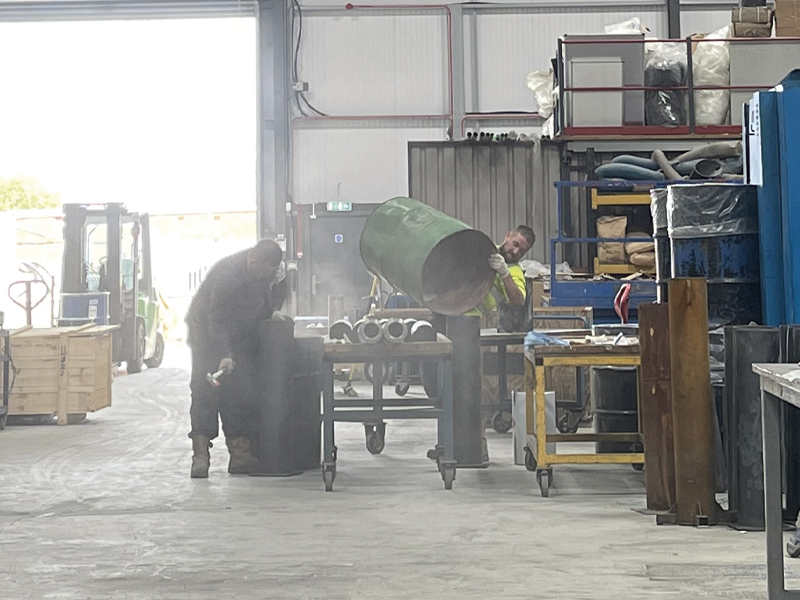
Diffusion Alloys specialises in advanced diffusion coatings that provide long-term protection against oxidation, carburisation, sulphidation, metal dusting and other high-temperature degradation mechanisms.
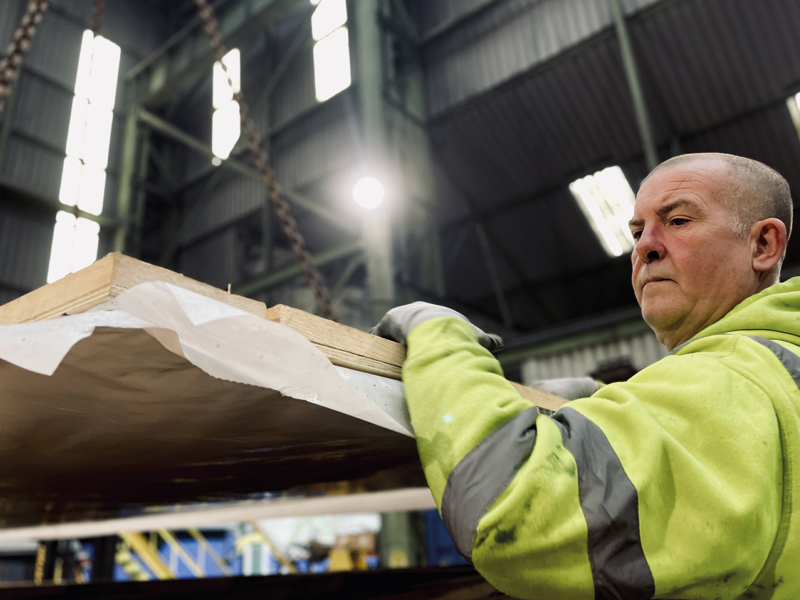
For nearly 70 years, we’ve partnered with manufacturers across the aerospace, energy, petrochemical, hydrogen and process industries to engineer coating solutions that improve reliability, extend component life and reduce maintenance costs.
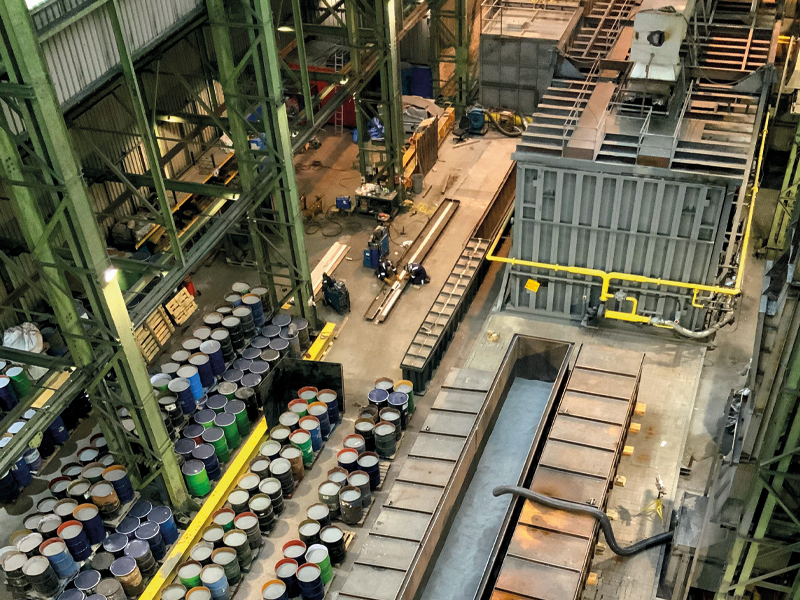
Diffusion Alloys specialises in advanced diffusion coatings that provide long-term protection against oxidation, carburisation, sulphidation, metal dusting and other high-temperature degradation mechanisms.
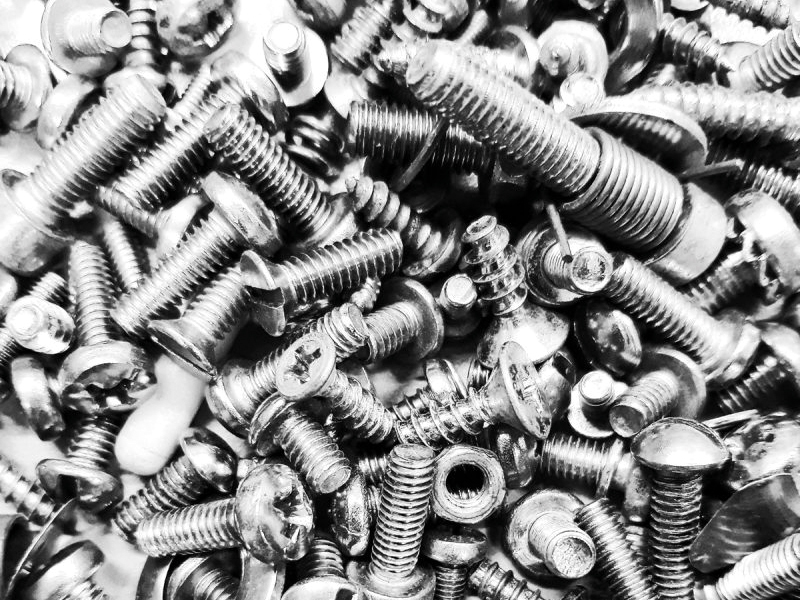
Aluminising, sometimes referred to as Alonizing and Calorizing, is a high temperature chemical process whereby aluminium diffuses into the surface of the base metal to form a metallurgical aluminide surface layer.
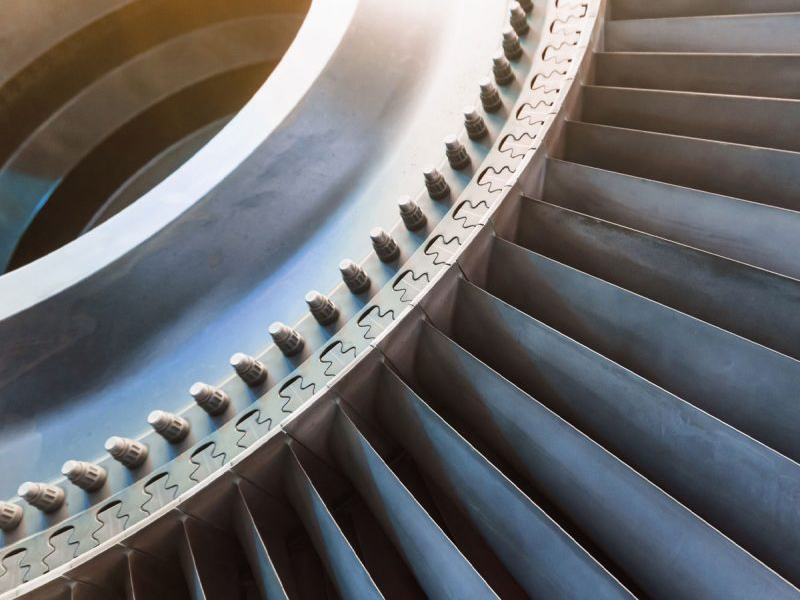
Diffusion Alloys was the first company world-wide to launch (in the 1950s) chromising as a commercial industrial diffusion coating process.
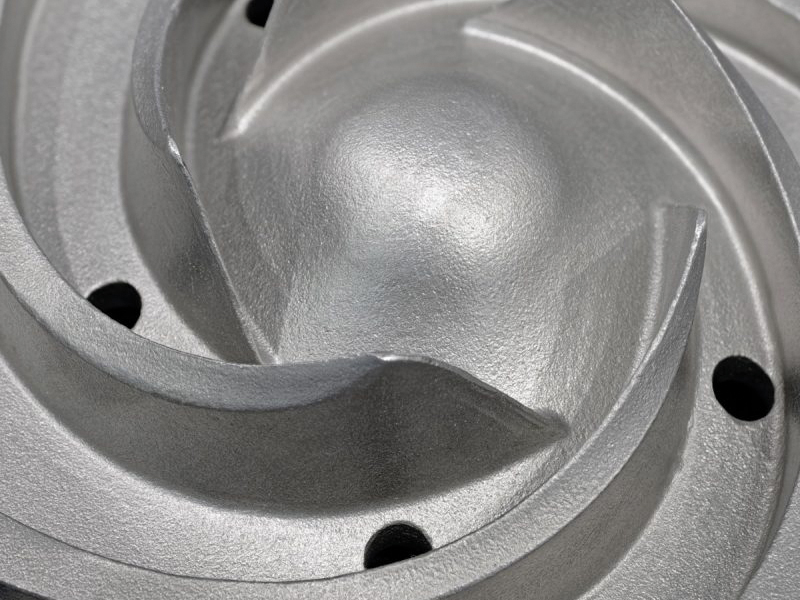
Boronising, sometimes referred to as boriding, is a diffusion coating that has a low co-efficient of friction that is capable of retaining its high hardness at elevated temperatures.
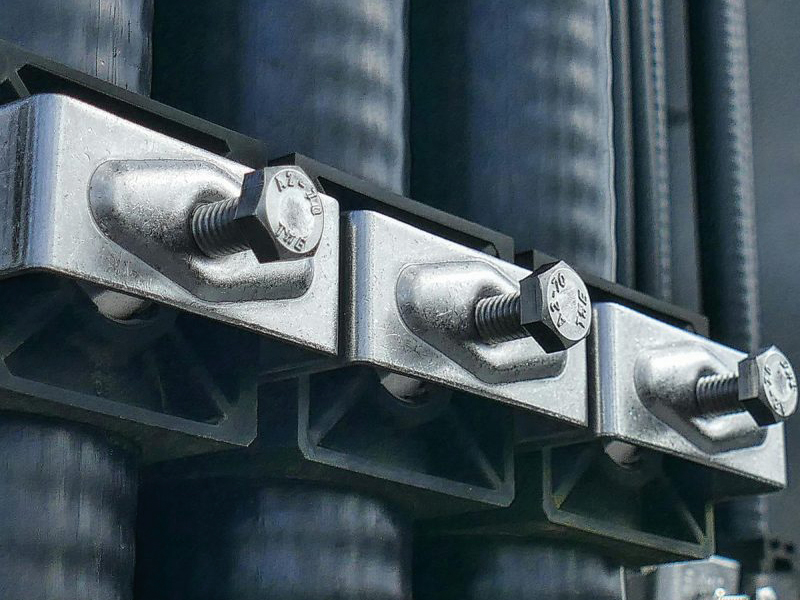
Diffusion Alloys provides coatings that conform to ASTM standards for diffusion coatings and that conform to customer defined specifications.
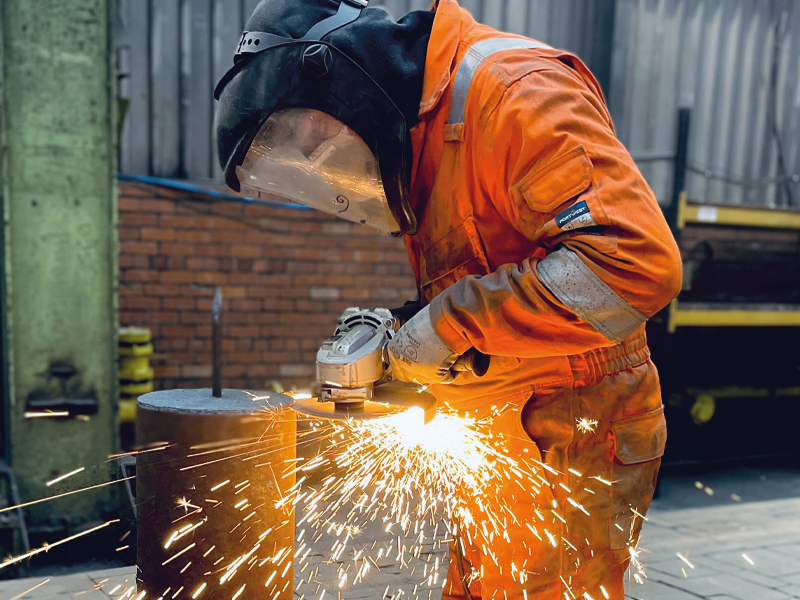
We are at the forefront of applications for clean energy and the hydrogen industry.
Large-scale hydrogen generation
Hydrogen electrolysers (SOE)
Fuel cells (SOFC)
Energy storage
Nuclear
Other specialist life extension
With over 60 years of industry experience, we're a global specialist in the application of a range of protective coatings against metal degradation.
We have been supplying diffusion coating services for over 60 years. In 1955 the Company became the first company world-wide to launch chromising as a commercial industrial diffusion coating.
We have decades of experience in coatings for the industrial gas turbine market and the oil, gas and process industries and have developed a leading position in diffusion coating for clean technology applications.
We consider the Health & Safety of its employees, customers, visitors and the general public to be of prime importance. We take an ethical approach to our environmental responsibility & waste management.
We pride ourselves on consistently scoring as best coating supplier for quality with a number of our major and long term customers which is testimony to our quality management system.


 D
D