
Extend Reformer Tube Life
Reformer tubes are among the most critical components within hydrogen, ammonia, methanol and syngas production.
Designed to operate for extended periods at high temperatures, they are manufactured from specialist heat-resistant alloys selected to withstand demanding mechanical and thermal conditions.
But selecting a high-performance alloy does not eliminate every threat to tube life.
The surface of the tube may still be exposed to aggressive process environments capable of causing metal dusting, carburisation and high-temperature oxidation.
Over time, these degradation mechanisms can contribute to material deterioration and potentially reduce the useful service life of an otherwise valuable component.
For operators, this creates a broader commercial question:
Can reformer tubes be protected for longer, reducing the lifecycle impact of premature degradation and replacement?
Diffusion aluminising provides a surface-engineering approach designed to increase resistance to specific high-temperature degradation mechanisms while retaining the fundamental properties of the underlying tube material.
Reformer Tube Life Is a Lifecycle Issue
The cost of a reformer tube is not limited to its original purchase price.
Replacement can involve procurement of specialist materials and components, logistics, planned maintenance activity and installation, alongside the operational implications associated with taking equipment out of service.
This means premature degradation can have consequences beyond the affected tube itself.
For operators managing reformers over many years, increasing component longevity can therefore form part of a wider strategy to improve lifecycle performance and asset utilisation.
Rather than asking simply:
“How much does this component cost?”
the more valuable question can be:
“How much value can we obtain from this component throughout its useful operating life?”
Surface engineering can form part of the answer.
Why Do Reformer Tubes Degrade?
Reformer tubes operate in environments where several degradation mechanisms may be present.
The precise risk depends on factors including:
- Tube alloy
- Surface temperature
- Process composition
- Carbon activity
- Oxygen potential
- Pressure
- Operating cycles
- Component location
- Duration of exposure
Understanding the dominant degradation mechanism is important because different operating environments place different demands on the material.
Three mechanisms are particularly relevant when considering diffusion aluminising.
Metal Dusting
Metal dusting is an aggressive form of high-temperature corrosion associated with carbon-rich environments.
Under susceptible conditions, carbon can interact with the metallic surface and contribute to the breakdown of the alloy into carbon, carbides and fine metallic particles.
Damage may appear locally before progressing further into the material.
For reformer equipment operating in susceptible environments, uncontrolled metal dusting can therefore represent a significant threat to component longevity.
Metal Dusting in Reformer Systems: Causes, Consequences & Prevention
Carburisation
Carburisation occurs when carbon diffuses into an alloy at elevated temperature.
The absorbed carbon can react with alloying elements to form carbides and alter the material’s microstructure.
Over extended exposure, this can influence material properties and contribute to degradation.
For high-value reformer components expected to remain in service for long periods, controlling carbon ingress at the surface can therefore be an important part of material protection.
Carburisation in Reformer Tubes: Protecting High-Value Alloys
High-Temperature Oxidation
Reformer components can also experience oxidation at elevated temperatures.
Metals exposed to oxygen-containing environments naturally form oxide scales. However, not every oxide provides the same level of protection.
Some oxide scales may grow rapidly, crack or spall, repeatedly exposing fresh material to the environment.
Effective high-temperature protection therefore depends on establishing a stable surface capable of limiting continued reaction with the underlying alloy.
Why the Base Alloy May Need Additional Protection
High-temperature alloys used in reformer applications are engineered to provide combinations of strength, creep resistance and environmental resistance.
However, designing the entire component solely around maximum corrosion resistance can introduce other technical and economic compromises.
Surface engineering provides another approach.
The bulk alloy can be selected for the properties required of the component, while the surface is separately engineered to provide enhanced resistance to the surrounding environment.
This creates a functional division:
The substrate provides the structural and mechanical properties.
The diffusion-treated surface provides additional environmental protection.
For selected reformer applications, diffusion aluminising can therefore complement the performance of the underlying high-temperature alloy.
How Diffusion Aluminising Protects Reformer Tubes
Diffusion aluminising enriches the surface region of a metallic component with aluminium.
During the treatment process, aluminium diffuses into the substrate at elevated temperature and reacts with elements within the alloy to form a metallurgically bonded aluminide layer.
This is an important distinction from coatings that are simply deposited onto the component surface.
The diffusion layer becomes an integral part of the surface region.
When exposed to appropriate high-temperature operating conditions, the aluminium-rich surface can form a protective alumina (Al₂O₃) scale.
This stable oxide layer acts as a barrier between the underlying material and the process environment.
Depending on the operating conditions, this can increase resistance to:
- Metal dusting
- Carburisation
- High-temperature oxidation
- Other relevant high-temperature corrosion mechanisms
The objective is straightforward:
Prevent or slow environmental attack at the surface before it can significantly affect the underlying component.
From Corrosion Protection to Lifecycle Performance
The technical benefit of aluminising is increased environmental resistance.
But for a plant operator, the potential value extends further.
Supporting Longer Component Service Life
Where environmental degradation is one of the factors limiting tube life, improving surface resistance can help the component remain serviceable for longer.
The achievable service life will always depend on the complete operating environment and other mechanical and metallurgical factors, but protecting the surface can remove or reduce an important degradation route.
Reducing Premature Replacement
A component that reaches the end of its usable life prematurely due to surface degradation may need to be removed even when significant value remains in the underlying material.
Increasing environmental resistance can help operators maximise the useful life obtained from high-value components.
Supporting Maintenance Planning
Unexpected or accelerated degradation can complicate inspection and maintenance strategies.
Understanding the degradation mechanism and implementing an appropriate protection system can support more informed lifecycle and maintenance planning.
Supporting Plant Availability
Maintenance and component replacement can have implications for plant availability.
Where improved surface protection contributes to longer service intervals or reduces premature intervention, it can support the wider objective of reliable reformer operation.
Looking Beyond the Initial Component Cost
Lifecycle economics require a broader view than simply comparing the cost of an untreated component with the cost of applying a diffusion coating.
A more complete assessment can consider:
- Initial component cost
- Surface protection
- Inspection and maintenance
- Replacement frequency
- Installation and associated maintenance activity
- Operational implications
The lowest initial-cost option is not necessarily the option that delivers the greatest value throughout the operating life of the plant.
This is why reformer tube protection should be considered as an asset-lifecycle decision, rather than simply a coating purchase.
Extending Component Life Can Also Reduce Material Demand
There is also a wider resource-efficiency benefit to extending the useful life of high-value industrial components.
Reformer tubes can contain significant quantities of specialist alloying materials and require substantial energy and resources to manufacture.
Premature replacement creates additional demand for:
- Raw materials
- Alloy production
- Component manufacturing
- Transportation
- Installation
- End-of-life processing
Where technically appropriate, extending component life allows more value to be obtained from the materials and energy already invested in the equipment.
This does not replace the primary reliability and economic case for surface protection, but it provides an additional consideration when evaluating lifecycle performance.
Proven Performance Matters
Selecting a protection system for reformer service requires more than understanding the theoretical behaviour of a coating.
Operating experience matters.
Diffusion Alloys has extensive experience applying diffusion coatings to components operating in demanding process-industry environments, including long-term reformer applications.
This experience allows coating requirements to be considered against the actual component rather than treating every application identically.
Factors assessed may include:
- Substrate alloy
- Component geometry
- Required coating location
- Operating temperature
- Process chemistry
- Identified degradation mechanism
- Existing service history
- Required protection characteristics
Where operating data is available, previous application experience can also help inform the assessment.
Is Diffusion Aluminising Suitable for Every Reformer Tube?
Not necessarily.
The suitability of diffusion aluminising depends on the material, component design, operating conditions and degradation mechanism.
That is why the starting point should not be:
“Can this tube be aluminised?”
It should be:
“What is limiting the life of this tube?”
If environmental attack such as metal dusting, carburisation or oxidation is contributing to degradation, the next step is to determine whether an aluminium-rich diffusion layer can provide appropriate protection under those specific conditions.
This problem-led approach ensures the coating is selected to address a genuine operating requirement.
Protecting the Investment Already Made in the Tube
High-performance reformer tubes represent a significant investment in specialist materials, engineering and manufacturing.
When environmental degradation threatens to shorten their useful life, replacing the entire component is not the only consideration.
Engineering the surface provides an opportunity to protect the valuable material already present.
Diffusion aluminising creates a metallurgically bonded, aluminium-rich surface designed to provide increased resistance to demanding high-temperature environments.
For reformer operators, the objective is therefore bigger than preventing corrosion:
Protect the tube. Extend useful service life. Improve lifecycle value.
Discuss Your Reformer Tube Application
If reformer tube performance is being affected by metal dusting, carburisation, oxidation or another high-temperature degradation mechanism, Diffusion Alloys can review the component and operating environment to determine whether diffusion aluminising is an appropriate protection strategy.
Related Resources from Diffusion Alloys:
Diffusion Alloys specialises in advanced diffusion coatings that provide long-term protection against oxidation, carburisation, sulphidation, metal dusting and other high-temperature degradation mechanisms.
For nearly 70 years, we’ve partnered with manufacturers across the aerospace, energy, petrochemical, hydrogen and process industries to engineer coating solutions that improve reliability, extend component life and reduce maintenance costs.
Diffusion Alloys specialises in advanced diffusion coatings that provide long-term protection against oxidation, carburisation, sulphidation, metal dusting and other high-temperature degradation mechanisms.
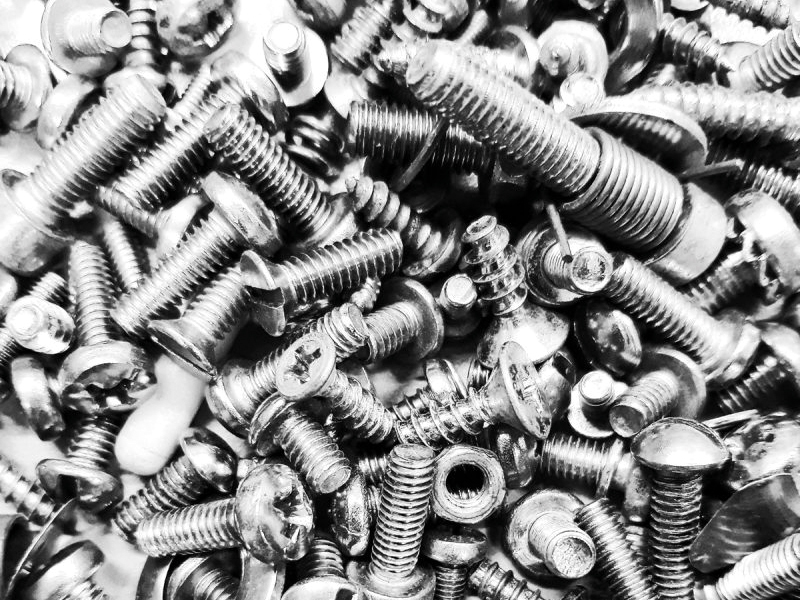
Aluminising, sometimes referred to as Alonizing and Calorizing, is a high temperature chemical process whereby aluminium diffuses into the surface of the base metal to form a metallurgical aluminide surface layer.
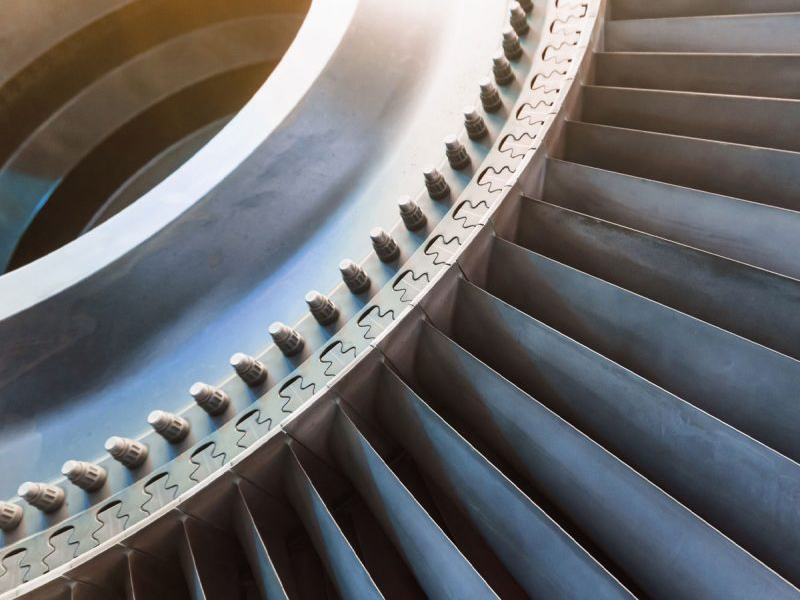
Diffusion Alloys was the first company world-wide to launch (in the 1950s) chromising as a commercial industrial diffusion coating process.
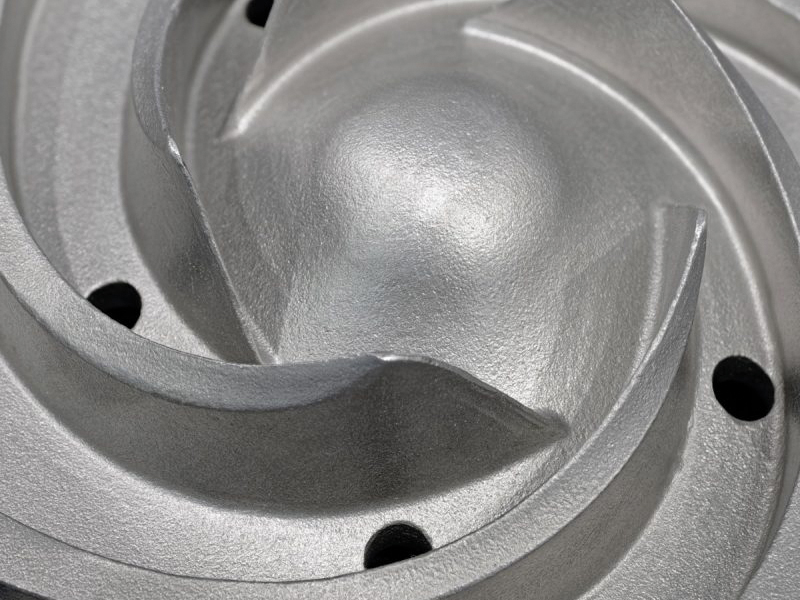
Boronising, sometimes referred to as boriding, is a diffusion coating that has a low co-efficient of friction that is capable of retaining its high hardness at elevated temperatures.
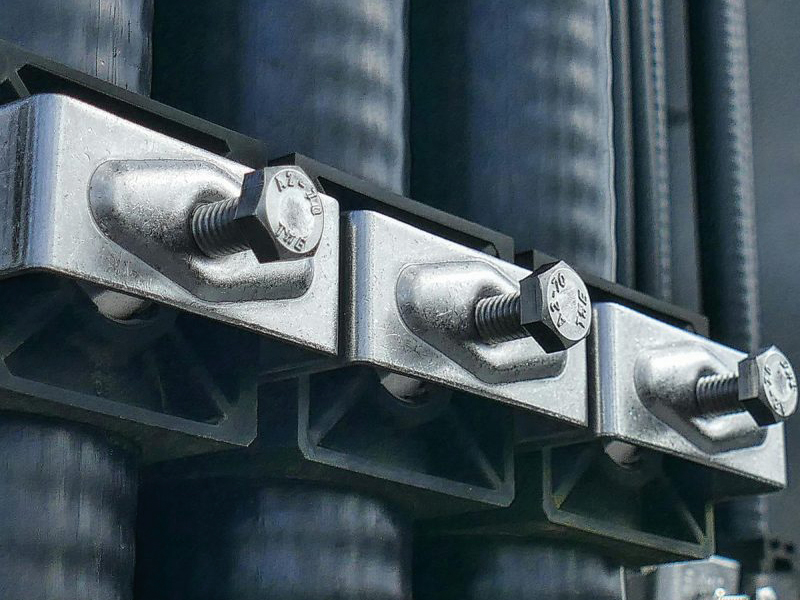
Diffusion Alloys provides coatings that conform to ASTM standards for diffusion coatings and that conform to customer defined specifications.
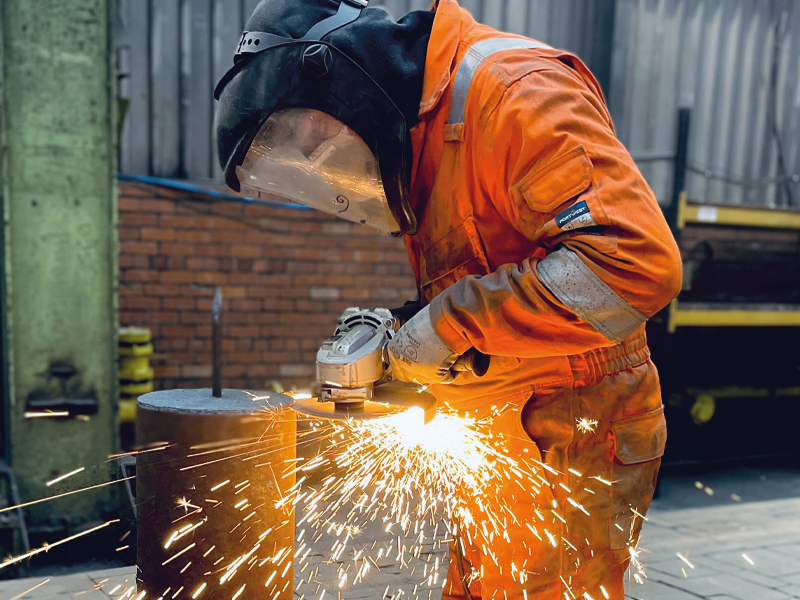
We are at the forefront of applications for clean energy and the hydrogen industry.
Large-scale hydrogen generation
Hydrogen electrolysers (SOE)
Fuel cells (SOFC)
Energy storage
Nuclear
Other specialist life extension
With over 60 years of industry experience, we're a global specialist in the application of a range of protective coatings against metal degradation.
We have been supplying diffusion coating services for over 60 years. In 1955 the Company became the first company world-wide to launch chromising as a commercial industrial diffusion coating.
We have decades of experience in coatings for the industrial gas turbine market and the oil, gas and process industries and have developed a leading position in diffusion coating for clean technology applications.
We consider the Health & Safety of its employees, customers, visitors and the general public to be of prime importance. We take an ethical approach to our environmental responsibility & waste management.
We pride ourselves on consistently scoring as best coating supplier for quality with a number of our major and long term customers which is testimony to our quality management system.


 D
D