

Diffusion Coatings vs Conventional Coatings
Why Diffusion Coatings Offer Superior Protection in High-Temperature Industrial Applications
Selecting the correct surface engineering solution is essential for protecting components operating in demanding industrial environments. High temperatures, oxidation, corrosion and mechanical wear can all reduce equipment life, increase maintenance costs and impact plant reliability.
While conventional coatings can provide protection in certain applications, they are not always suitable for the extreme operating conditions found in industries such as Sustainable Aviation Fuel (SAF) production.
Diffusion coatings offer a fundamentally different approach. Rather than forming a separate layer on the surface of a component, they become an integral part of the parent material, creating a durable protective surface designed to withstand prolonged exposure to harsh industrial environments.
Understanding the Difference
The key difference between conventional coatings and diffusion coatings lies in how they bond to the component.
Traditional coatings are typically applied as an external layer using methods such as thermal spraying, electroplating or painting. Although effective in some applications, these coatings remain separate from the base material and may eventually crack, chip or delaminate under severe operating conditions.
Diffusion coatings, by contrast, are formed through a high-temperature process that allows coating elements to diffuse into the surface of the component. This creates a metallurgically bonded protective layer that becomes part of the material itself.
The result is a coating with exceptional durability and long-term performance in aggressive environments.
Performance at High Temperatures
High-temperature applications place significant demands on engineering materials.
Components used in furnaces, reactors, reformers and heat exchangers are continually exposed to elevated temperatures where oxidation and corrosion can rapidly degrade unprotected surfaces.
Conventional coatings may lose adhesion or deteriorate as temperatures increase.
Diffusion coatings are specifically developed for these environments, providing long-lasting protection while maintaining their integrity during prolonged exposure to elevated temperatures.
Resistance to Oxidation and Corrosion
Oxidation and corrosion remain two of the most common causes of premature component failure within industrial processing plants.
Because diffusion coatings form part of the parent material, they create a stable protective barrier that significantly slows these degradation mechanisms.
Benefits include:
- Improved oxidation resistance
- Enhanced corrosion protection
- Reduced scale formation
- Slower material loss
- Longer service life
This allows equipment to remain in operation for longer periods while reducing maintenance requirements.
Speak to Our Engineering Team
Every Sustainable Aviation Fuel facility presents its own engineering challenges. Whether you’re designing new process equipment or looking to improve the reliability of existing assets, Diffusion Alloys can help identify the most suitable diffusion coating solution for your application.
Contact our engineering team today to discuss how our advanced diffusion coatings can improve equipment performance, reduce maintenance and extend component life within your SAF production process.
Durability Under Demanding Conditions
Industrial equipment rarely operates under ideal conditions.
Components often experience:
- Thermal cycling
- Mechanical stress
- Abrasion
- Erosion
- Corrosive gases
- Continuous operation
These demanding environments require a surface engineering solution capable of maintaining performance over extended operating periods.
Diffusion coatings provide exceptional durability because there is no distinct coating layer to separate from the substrate. Instead, the protective layer remains securely bonded throughout the component’s service life.
Reduced Maintenance Requirements
One of the greatest advantages of diffusion coatings is their ability to reduce long-term maintenance.
By slowing the rate of material degradation, components require fewer repairs, less frequent replacement and longer inspection intervals.
This helps operators:
- Reduce maintenance costs
- Minimise production downtime
- Improve equipment availability
- Increase operational reliability
- Extend maintenance intervals
For continuous processing industries, these benefits can deliver significant commercial value over the lifetime of a production facility.
Typical Applications
Diffusion coatings are widely used to protect components operating in high-temperature industrial environments, including:
- Reformer tubes
- Heat exchangers
- Furnace components
- Reactor internals
- Process pipework
- Burner assemblies
- Catalyst support structures
- High-temperature vessels
These components all benefit from improved resistance to oxidation, corrosion and wear.
Choosing the Right Coating Technology
Every application presents unique engineering challenges.
Factors such as operating temperature, process atmosphere, component material and service conditions all influence which coating technology will provide the greatest benefit.
At Diffusion Alloys, we work closely with customers to recommend the most appropriate solution for each application.
Our specialist coating technologies include:
- Aluminising for exceptional oxidation resistance
- Chromising for enhanced corrosion and sulphidation resistance
- Boronising for increased surface hardness and wear resistance
- Specialist diffusion coatings for demanding or bespoke industrial applications
Our recommendations are based on technical performance and long-term reliability rather than a one-size-fits-all approach.
Why Choose Diffusion Alloys?
For over 60 years, Diffusion Alloys has provided advanced diffusion coating solutions for customers operating in some of the world’s most demanding industrial sectors.
Our engineering expertise helps customers improve component performance, extend service life and reduce the total cost of ownership for critical equipment.
Whether supporting Sustainable Aviation Fuel production, hydrogen generation, petrochemical processing or other high-temperature industries, our coatings are designed to deliver reliable, long-term protection.
To learn more about how diffusion coatings support Sustainable Aviation Fuel production, visit our Sustainable Aviation Fuel page or contact our engineering team to discuss your application.
Related Resources from Diffusion Alloys:
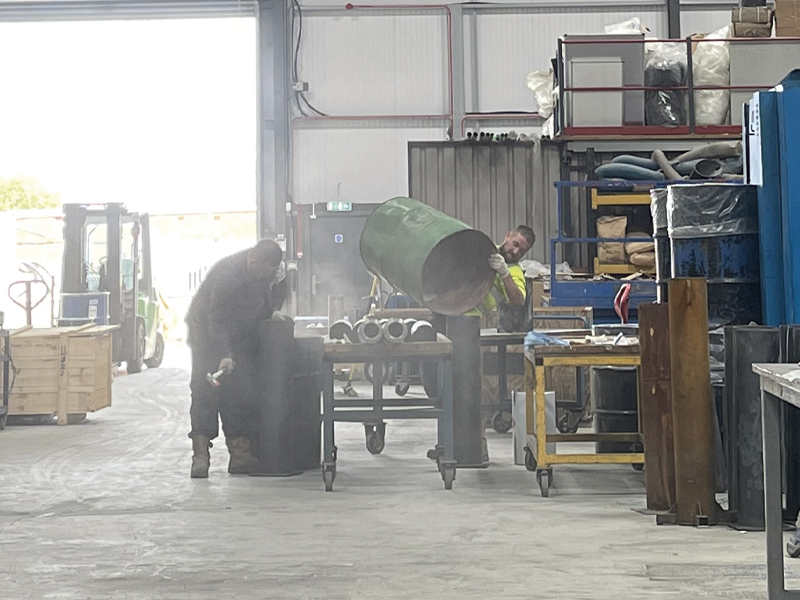
Diffusion Alloys specialises in advanced diffusion coatings that provide long-term protection against oxidation, carburisation, sulphidation, metal dusting and other high-temperature degradation mechanisms.
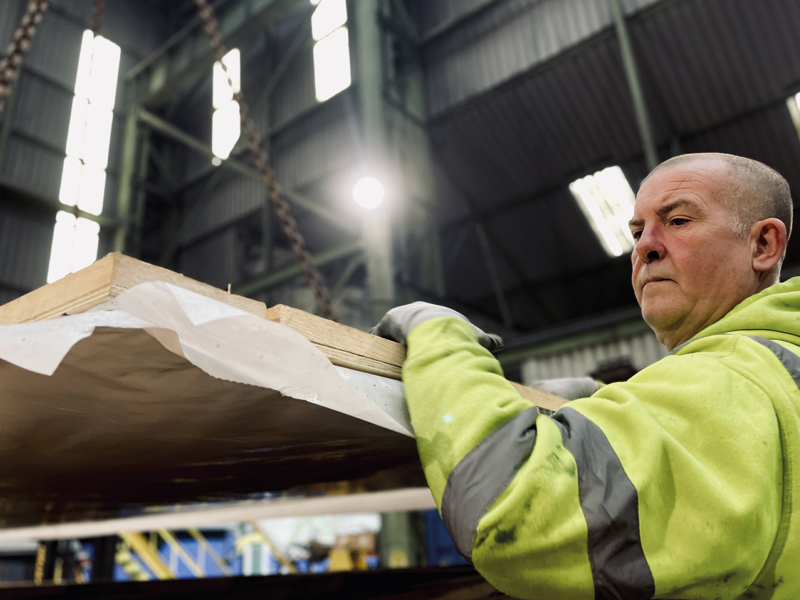
For nearly 70 years, we’ve partnered with manufacturers across the aerospace, energy, petrochemical, hydrogen and process industries to engineer coating solutions that improve reliability, extend component life and reduce maintenance costs.
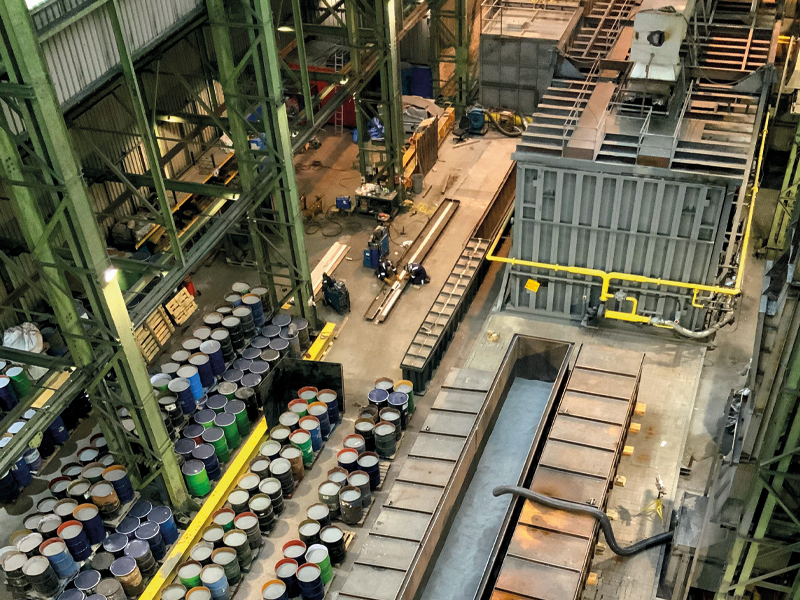
Diffusion Alloys specialises in advanced diffusion coatings that provide long-term protection against oxidation, carburisation, sulphidation, metal dusting and other high-temperature degradation mechanisms.
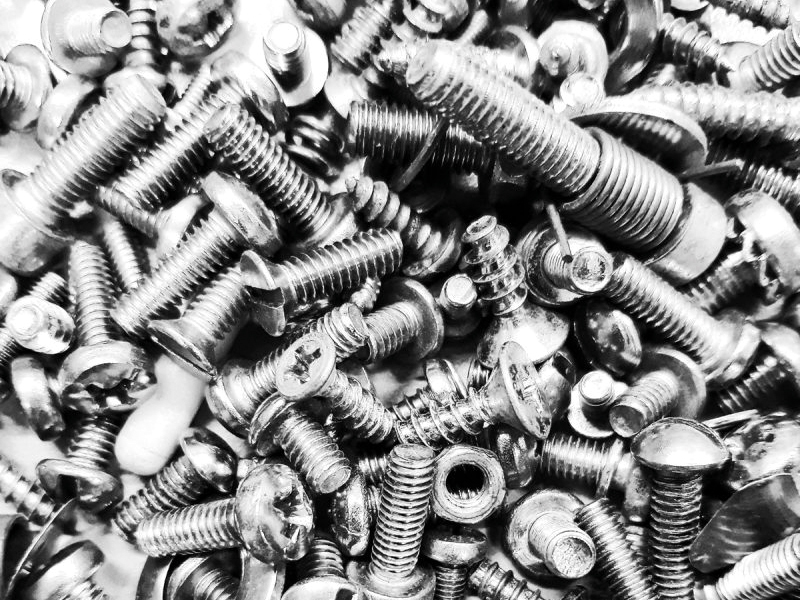
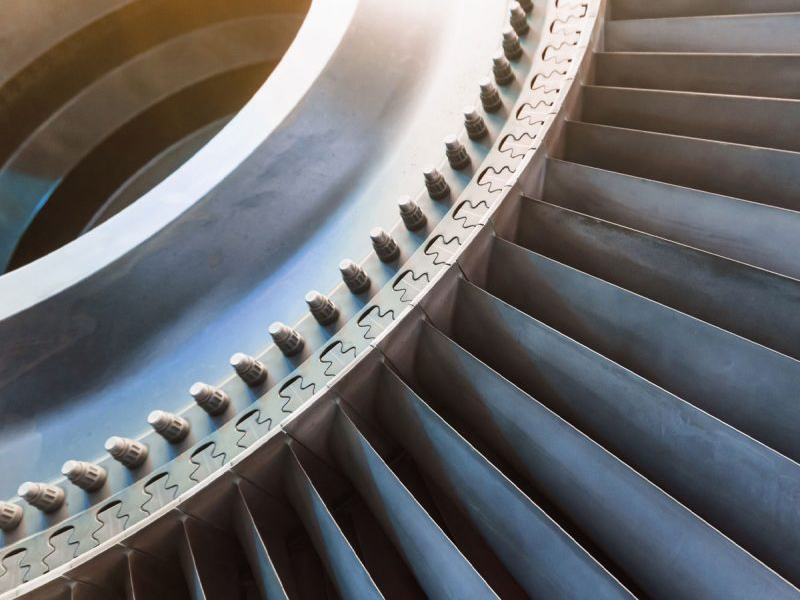
Aluminising, sometimes referred to as Alonizing and Calorizing, is a high temperature chemical process whereby aluminium diffuses into the surface of the base metal to form a metallurgical aluminide surface layer.
Diffusion Alloys was the first company world-wide to launch (in the 1950s) chromising as a commercial industrial diffusion coating process.
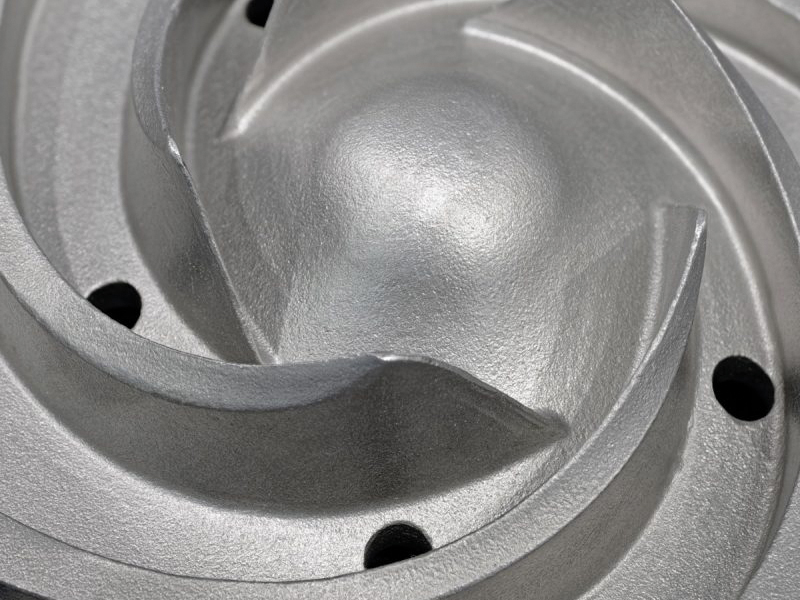
Boronising, sometimes referred to as boriding, is a diffusion coating that has a low co-efficient of friction that is capable of retaining its high hardness at elevated temperatures.
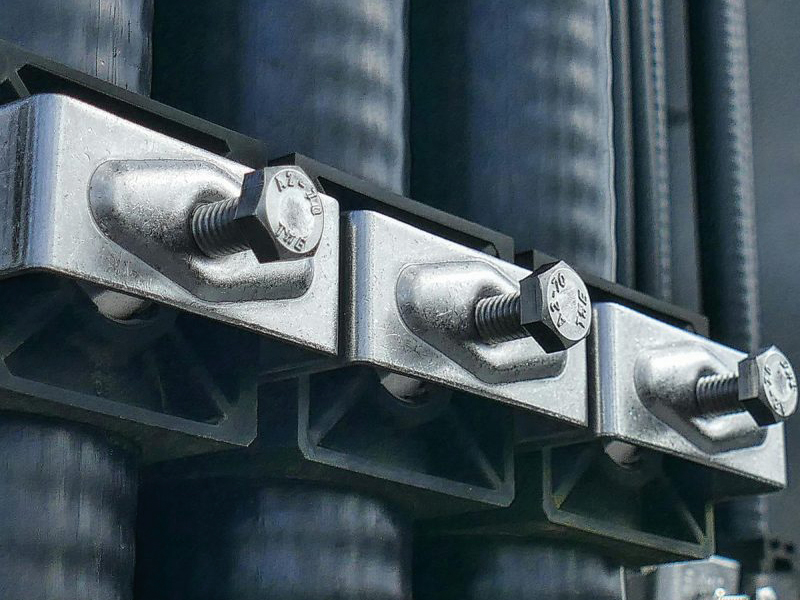
Diffusion Alloys provides coatings that conform to ASTM standards for diffusion coatings and that conform to customer defined specifications.
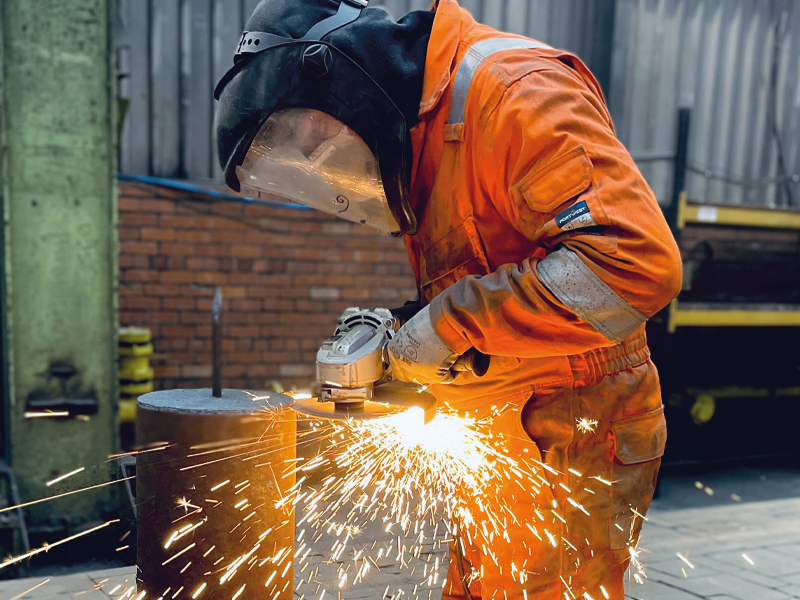
We are at the forefront of applications for clean energy and the hydrogen industry.
Large-scale hydrogen generation
Hydrogen electrolysers (SOE)
Fuel cells (SOFC)
Energy storage
Nuclear
Other specialist life extension
With over 60 years of industry experience, we're a global specialist in the application of a range of protective coatings against metal degradation.
We have been supplying diffusion coating services for over 60 years. In 1955 the Company became the first company world-wide to launch chromising as a commercial industrial diffusion coating.
We have decades of experience in coatings for the industrial gas turbine market and the oil, gas and process industries and have developed a leading position in diffusion coating for clean technology applications.
We consider the Health & Safety of its employees, customers, visitors and the general public to be of prime importance. We take an ethical approach to our environmental responsibility & waste management.
We pride ourselves on consistently scoring as best coating supplier for quality with a number of our major and long term customers which is testimony to our quality management system.


 D
D