

Causes of High-Temperature Component Failure Aviation Fuel Production
Understanding Why Critical Equipment Fails – and How Diffusion Coatings Can Help
Sustainable Aviation Fuel (SAF) production facilities rely on equipment operating under extreme conditions. High temperatures, aggressive process atmospheres and continuous operation place significant demands on critical components throughout the production process.
Without appropriate protection, these harsh operating environments can accelerate material degradation, leading to reduced equipment life, increased maintenance costs and unplanned downtime.
Understanding the mechanisms behind high-temperature component failure is the first step towards improving reliability and extending service life. At Diffusion Alloys, our advanced diffusion coating technologies are designed to combat these challenges, helping manufacturers and plant operators protect valuable assets and maximise operational efficiency.
High-Temperature Oxidation
Oxidation is one of the most common forms of degradation affecting equipment operating at elevated temperatures.
When metal surfaces are exposed to oxygen, oxide layers begin to form. As temperatures increase, these oxide layers grow thicker and can eventually crack or flake away, exposing fresh metal beneath.
Over time this continual process leads to:
- Material loss
- Reduced wall thickness
- Lower mechanical strength
- Shortened component life
Equipment such as reformer tubes, furnace components and heat exchangers are particularly susceptible to oxidation if left unprotected.
Diffusion coatings provide a durable protective layer that significantly slows oxidation, helping maintain component integrity over extended operating periods.
Hot Corrosion
Many industrial processes used in Sustainable Aviation Fuel production involve gases capable of accelerating corrosion at elevated temperatures.
Unlike atmospheric corrosion, hot corrosion occurs while equipment is operating and can rapidly attack exposed metal surfaces.
If left unchecked, hot corrosion may result in:
- Surface degradation
- Material loss
- Reduced mechanical performance
- Premature component failure
Selecting an appropriate diffusion coating helps improve resistance to corrosive environments while extending equipment service life.
Carburisation
Carburisation occurs when carbon-rich process gases diffuse into the surface of a metal component.
This changes the material’s microstructure, often making it harder but significantly more brittle.
As carburisation progresses, components become increasingly susceptible to cracking and mechanical failure.
Applications operating in carbon-rich environments particularly benefit from carefully selected diffusion coating technologies that help reduce carbon ingress while maintaining long-term performance.
Speak to Our Engineering Team
Every Sustainable Aviation Fuel facility presents its own engineering challenges. Whether you’re designing new process equipment or looking to improve the reliability of existing assets, Diffusion Alloys can help identify the most suitable diffusion coating solution for your application.
Contact our engineering team today to discuss how our advanced diffusion coatings can improve equipment performance, reduce maintenance and extend component life within your SAF production process.
Sulphidation
Where sulphur-containing gases are present, sulphidation can become a significant degradation mechanism.
This type of high-temperature attack weakens component surfaces and often occurs alongside oxidation, creating particularly aggressive service conditions.
Protective diffusion coatings help minimise sulphur attack by forming stable, corrosion-resistant surface layers capable of withstanding demanding process environments.
Thermal Fatigue
Industrial processing equipment rarely operates at a constant temperature.
Frequent heating and cooling during plant start-up, shutdown and operational changes causes repeated expansion and contraction of component materials.
Over time this can result in:
- Thermal cracking
- Distortion
- Reduced fatigue life
- Structural weakening
Diffusion coatings maintain their protective properties during repeated thermal cycling, helping components withstand these changing operating conditions.
Erosion and Abrasive Wear
Fast-moving gases, suspended particles and continuous product flow gradually wear away exposed surfaces.
This erosion is commonly found on:
- Burner components
- Transfer pipework
- Heat exchanger surfaces
- Internal process equipment
As surfaces wear, component dimensions change, reducing efficiency and increasing the likelihood of failure.
Wear-resistant diffusion coatings provide enhanced surface hardness, helping maintain dimensional accuracy while extending equipment life.
The Commercial Impact of Component Failure
When critical equipment fails, the consequences extend well beyond replacing a single component.
Premature failure can lead to:
- Lost production
- Emergency maintenance
- Increased operating costs
- Extended shutdown periods
- Delayed customer deliveries
- Reduced plant availability
By understanding the causes of degradation and applying the appropriate surface engineering solution, operators can significantly improve long-term reliability while reducing maintenance expenditure.
How Diffusion Alloys Helps Prevent Component Failure
For more than 60 years, Diffusion Alloys has developed specialist diffusion coating technologies that help customers overcome the challenges of high-temperature industrial processing.
Our coatings provide proven protection against:
- High-temperature oxidation
- Hot corrosion
- Carburisation
- Sulphidation
- Thermal fatigue
- Mechanical wear
Working alongside customers, we assess operating conditions, component materials and process environments to recommend the most suitable coating technology for each application.
Whether protecting newly manufactured components or extending the service life of existing equipment, our solutions help maximise reliability while reducing whole-life operating costs.
To learn more about how diffusion coatings support Sustainable Aviation Fuel production, visit our Sustainable Aviation Fuel page or contact our engineering team to discuss your application.
Related Resources from Diffusion Alloys:
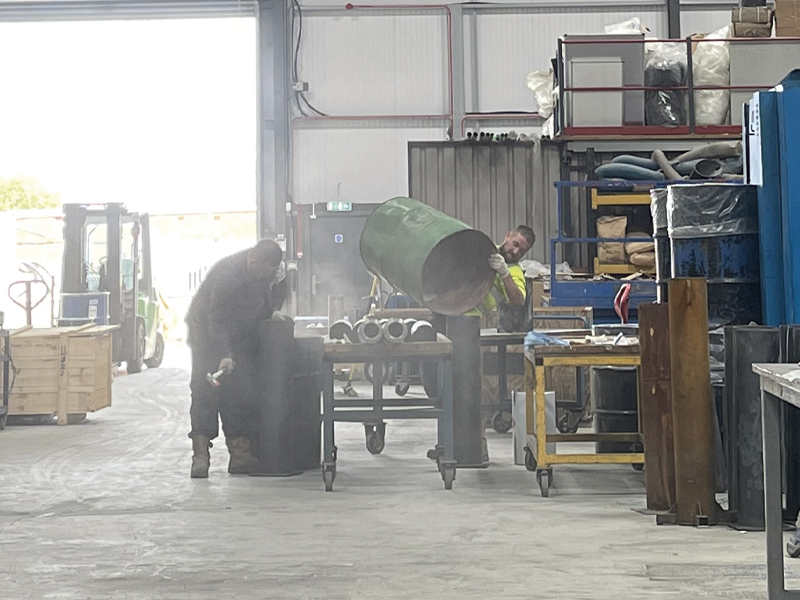
Diffusion Alloys specialises in advanced diffusion coatings that provide long-term protection against oxidation, carburisation, sulphidation, metal dusting and other high-temperature degradation mechanisms.
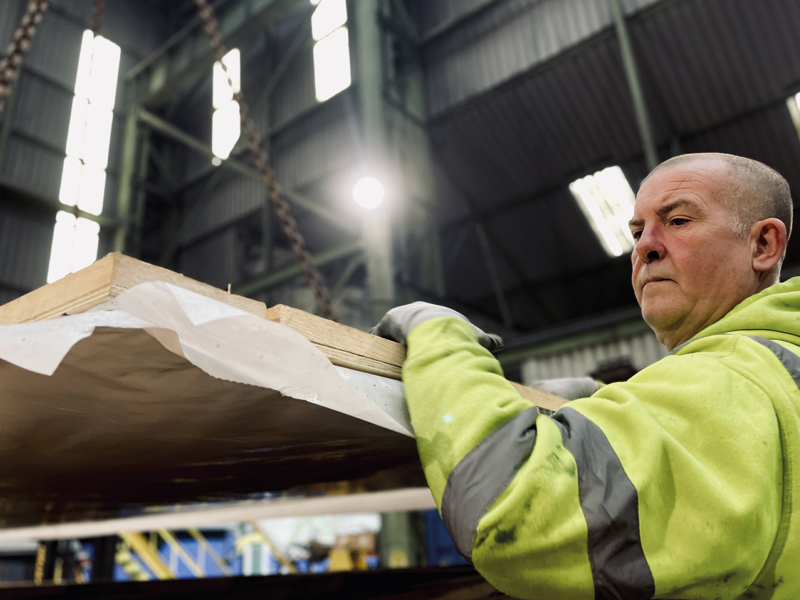
For nearly 70 years, we’ve partnered with manufacturers across the aerospace, energy, petrochemical, hydrogen and process industries to engineer coating solutions that improve reliability, extend component life and reduce maintenance costs.
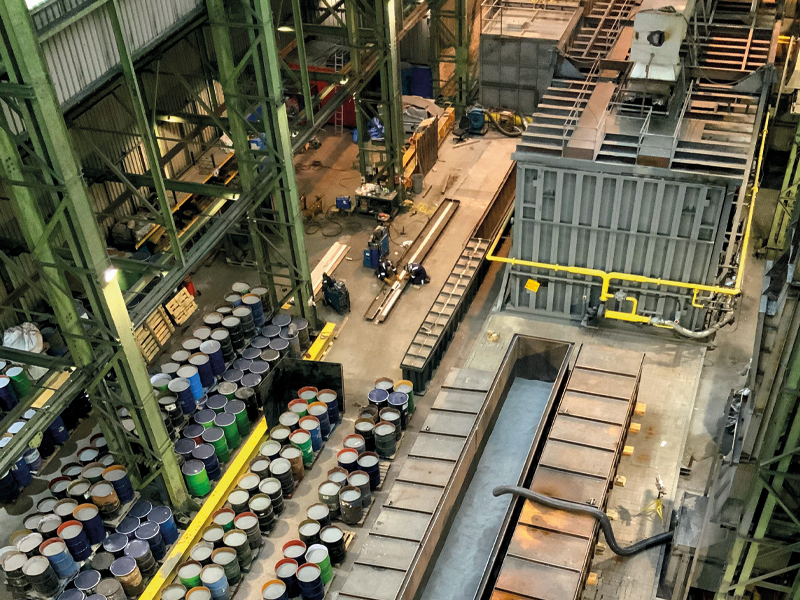
Diffusion Alloys specialises in advanced diffusion coatings that provide long-term protection against oxidation, carburisation, sulphidation, metal dusting and other high-temperature degradation mechanisms.
Aluminising, sometimes referred to as Alonizing and Calorizing, is a high temperature chemical process whereby aluminium diffuses into the surface of the base metal to form a metallurgical aluminide surface layer.
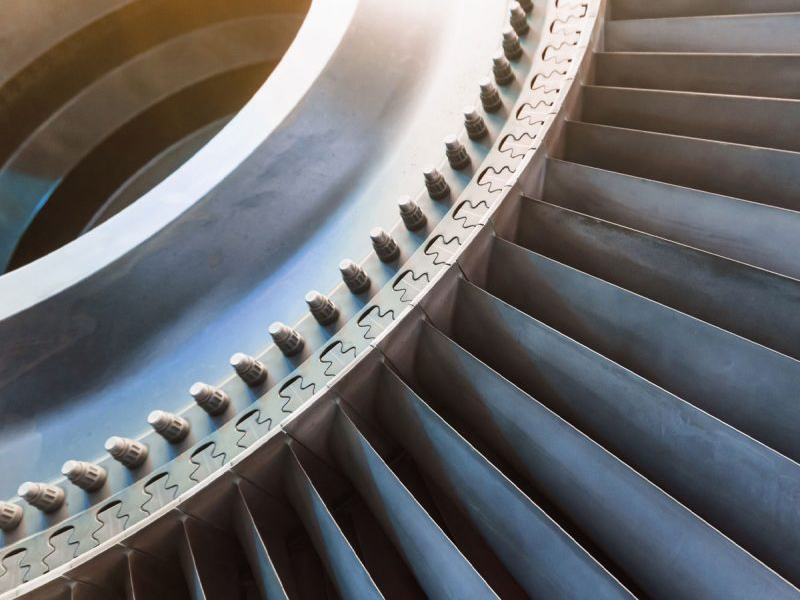
Diffusion Alloys was the first company world-wide to launch (in the 1950s) chromising as a commercial industrial diffusion coating process.
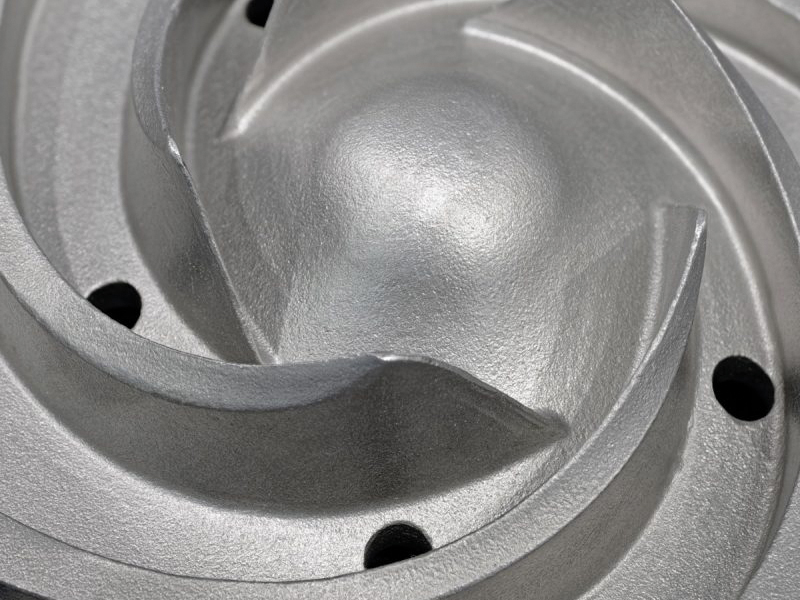
Boronising, sometimes referred to as boriding, is a diffusion coating that has a low co-efficient of friction that is capable of retaining its high hardness at elevated temperatures.
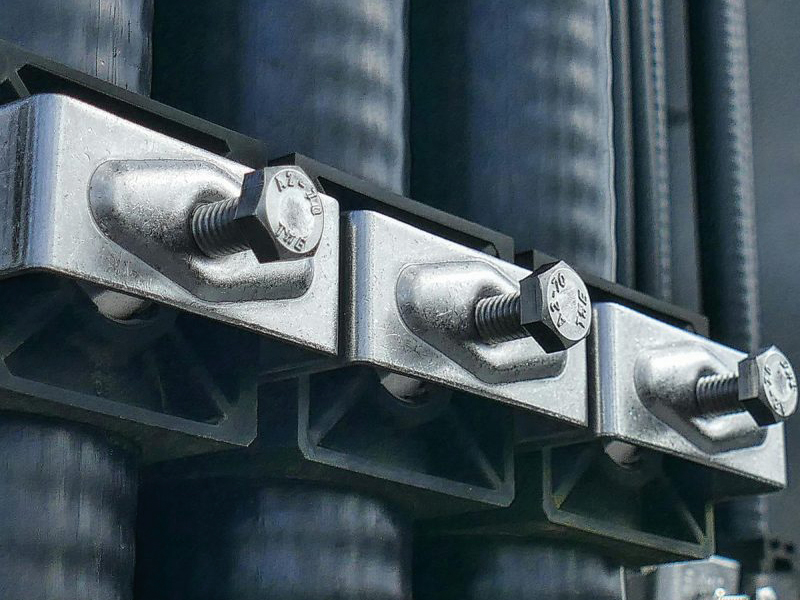
Diffusion Alloys provides coatings that conform to ASTM standards for diffusion coatings and that conform to customer defined specifications.
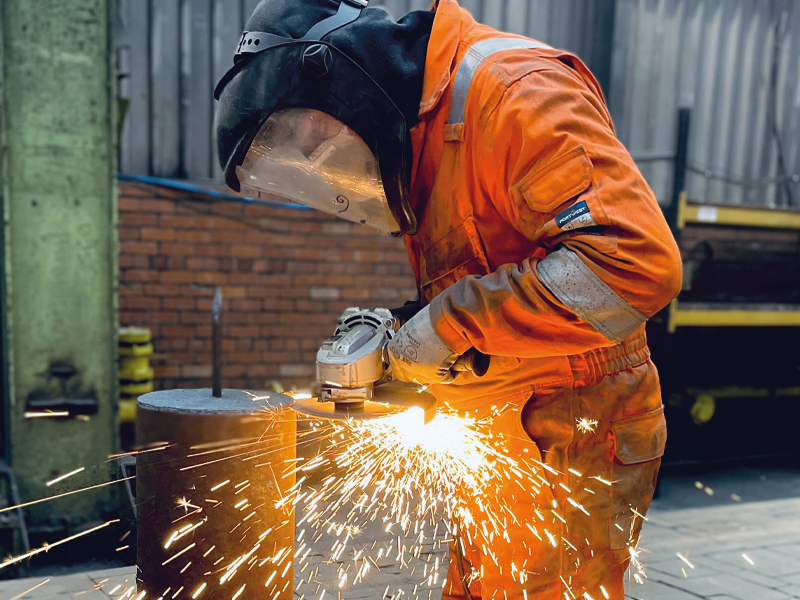
We are at the forefront of applications for clean energy and the hydrogen industry.
Large-scale hydrogen generation
Hydrogen electrolysers (SOE)
Fuel cells (SOFC)
Energy storage
Nuclear
Other specialist life extension
With over 60 years of industry experience, we're a global specialist in the application of a range of protective coatings against metal degradation.
We have been supplying diffusion coating services for over 60 years. In 1955 the Company became the first company world-wide to launch chromising as a commercial industrial diffusion coating.
We have decades of experience in coatings for the industrial gas turbine market and the oil, gas and process industries and have developed a leading position in diffusion coating for clean technology applications.
We consider the Health & Safety of its employees, customers, visitors and the general public to be of prime importance. We take an ethical approach to our environmental responsibility & waste management.
We pride ourselves on consistently scoring as best coating supplier for quality with a number of our major and long term customers which is testimony to our quality management system.


 D
D