

What is Sustainable Aviation Fuel (SAF)
Understanding Sustainable Aviation Fuel and Its Role in Decarbonising Aviation
The aviation industry is under increasing pressure to reduce carbon emissions while continuing to meet growing global demand for air travel. As one of the sectors that is most difficult to decarbonise, aviation requires practical solutions that can be implemented using existing aircraft and infrastructure. Sustainable Aviation Fuel (SAF) has emerged as one of the most promising technologies to help achieve this goal.
SAF is a renewable alternative to conventional fossil-based jet fuel. It is produced from sustainable feedstocks rather than crude oil and can significantly reduce lifecycle greenhouse gas emissions while maintaining the same performance and safety standards required for commercial aviation.
Unlike other low-carbon technologies, Sustainable Aviation Fuel can often be blended with conventional aviation fuel and used within existing aircraft engines without major modifications. This allows airlines to reduce emissions while avoiding significant changes to current fleets or airport infrastructure.
As governments and industry continue investing in SAF production, protecting the reliability and efficiency of production facilities is becoming increasingly important.
Why is Sustainable Aviation Fuel Important?
Aviation plays a vital role in connecting businesses, economies and communities around the world, but it also contributes around 2–3% of global carbon dioxide emissions. As international climate targets become more ambitious, reducing emissions from aviation has become a major priority.
Sustainable Aviation Fuel offers one of the most immediate opportunities to reduce the environmental impact of flying. Depending on the feedstock and production method, SAF can reduce lifecycle greenhouse gas emissions by up to 80% compared with conventional jet fuel.
Governments across the UK, Europe and the wider international aviation industry are investing heavily in SAF production capacity to help meet future emissions targets while supporting long-term energy security.
How is Sustainable Aviation Fuel Produced?
Unlike traditional jet fuel, Sustainable Aviation Fuel can be produced using a variety of renewable feedstocks and manufacturing processes. Although each route is different, they all involve complex industrial processing under high temperatures and demanding operating conditions.
The most common production pathways include:
Hydroprocessed Esters and Fatty Acids (HEFA)
Currently the most widely used production method, HEFA converts waste cooking oils, used vegetable oils, animal fats and other renewable oils into aviation fuel through hydrogen treatment and refining processes.
Alcohol-to-Jet (ATJ)
This process converts alcohols such as ethanol or isobutanol into synthetic aviation fuel through dehydration, oligomerisation and hydrogenation. It offers a valuable route for producing SAF from agricultural feedstocks and industrial waste streams.
Fischer-Tropsch Synthesis
Biomass, municipal waste or other carbon-containing materials are first converted into synthesis gas before being processed through the Fischer-Tropsch reaction to produce liquid hydrocarbons suitable for aviation fuel.
Power-to-Liquid (PtL)
Power-to-Liquid technology combines renewable electricity, captured carbon dioxide and hydrogen produced through electrolysis to create synthetic aviation fuels with very low lifecycle emissions. This process is expected to play an increasingly important role as renewable energy capacity expands.
Speak to Our Engineering Team
Every Sustainable Aviation Fuel facility presents its own engineering challenges. Whether you’re designing new process equipment or looking to improve the reliability of existing assets, Diffusion Alloys can help identify the most suitable diffusion coating solution for your application.
Contact our engineering team today to discuss how our advanced diffusion coatings can improve equipment performance, reduce maintenance and extend component life within your SAF production process.
Engineering Challenges Within SAF Production
Although production methods differ, every Sustainable Aviation Fuel facility relies on equipment operating under harsh industrial conditions.
Critical process equipment is routinely exposed to:
- Elevated operating temperatures
- Oxidising atmospheres
- Corrosive gases
- Thermal cycling
- Abrasive wear
- High-pressure process environments
Over time these conditions can cause oxidation, corrosion, material degradation and premature component failure, reducing plant efficiency and increasing maintenance costs.
Protecting these assets is essential to ensuring long-term operational reliability.
The Role of Diffusion Coatings
Diffusion coatings provide long-lasting protection for components operating in extreme industrial environments. Unlike conventional coatings that form a surface layer, diffusion coatings become metallurgically bonded to the parent material, creating a durable protective surface capable of withstanding aggressive process conditions.
These coatings help improve resistance to:
- High-temperature oxidation
- Hot corrosion
- Carburisation
- Sulphidation
- Erosion and wear
The result is longer component life, improved plant reliability and lower maintenance costs throughout the production process.
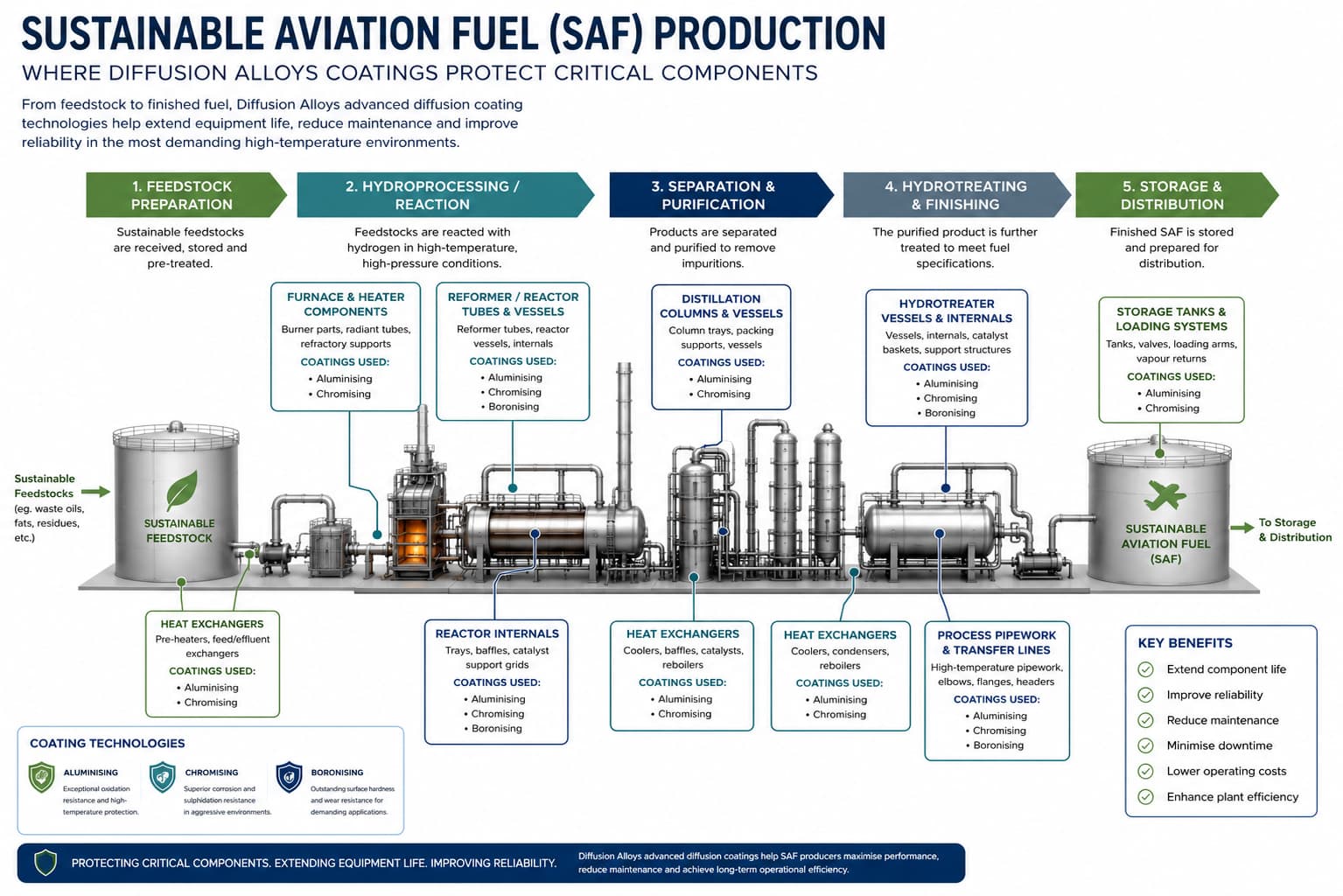
Supporting the Future of Sustainable Aviation
As investment in Sustainable Aviation Fuel continues to grow, manufacturers and plant operators require engineering solutions that deliver long-term performance in increasingly demanding operating environments.
At Diffusion Alloys, we combine more than 60 years of diffusion coating expertise with specialist engineering knowledge to help customers protect critical components used throughout high-temperature industrial processes.
Whether supporting new SAF facilities or extending the service life of existing equipment, our advanced diffusion coating technologies help improve reliability, maximise component life and reduce whole-life operating costs.
To learn more about how diffusion coatings support Sustainable Aviation Fuel production, visit our Sustainable Aviation Fuel page or contact our engineering team to discuss your application.
Related Resources from Diffusion Alloys:
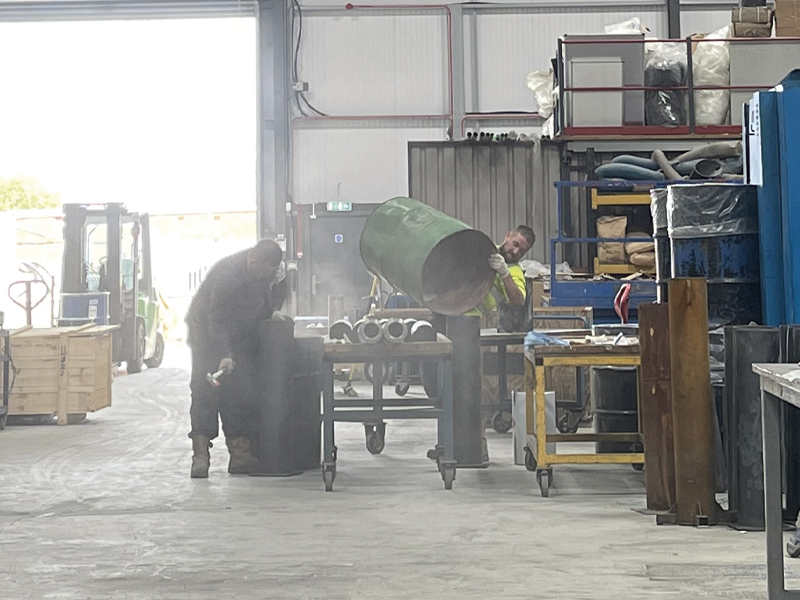
Diffusion Alloys specialises in advanced diffusion coatings that provide long-term protection against oxidation, carburisation, sulphidation, metal dusting and other high-temperature degradation mechanisms.
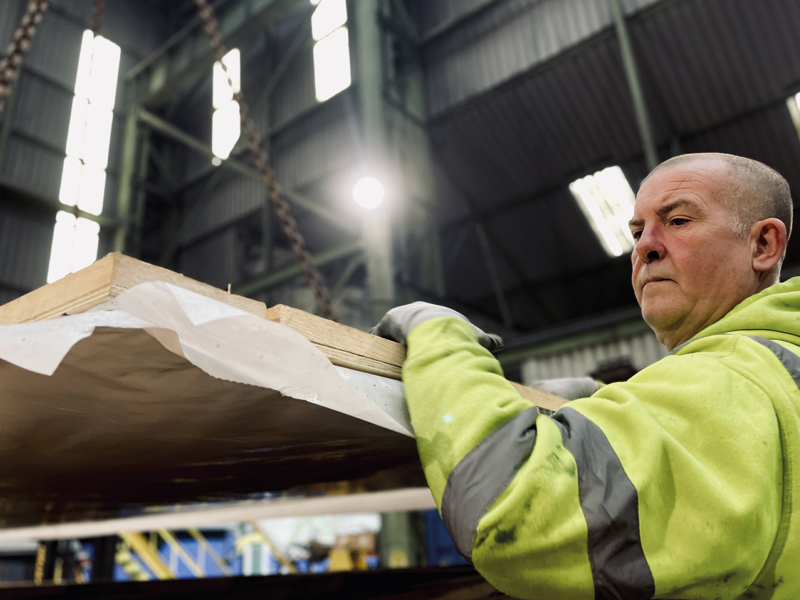
For nearly 70 years, we’ve partnered with manufacturers across the aerospace, energy, petrochemical, hydrogen and process industries to engineer coating solutions that improve reliability, extend component life and reduce maintenance costs.
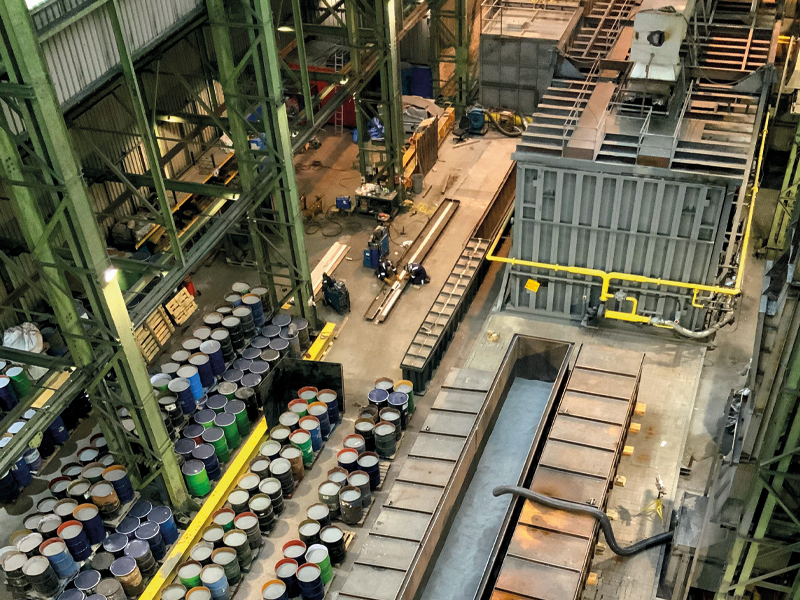
Diffusion Alloys specialises in advanced diffusion coatings that provide long-term protection against oxidation, carburisation, sulphidation, metal dusting and other high-temperature degradation mechanisms.
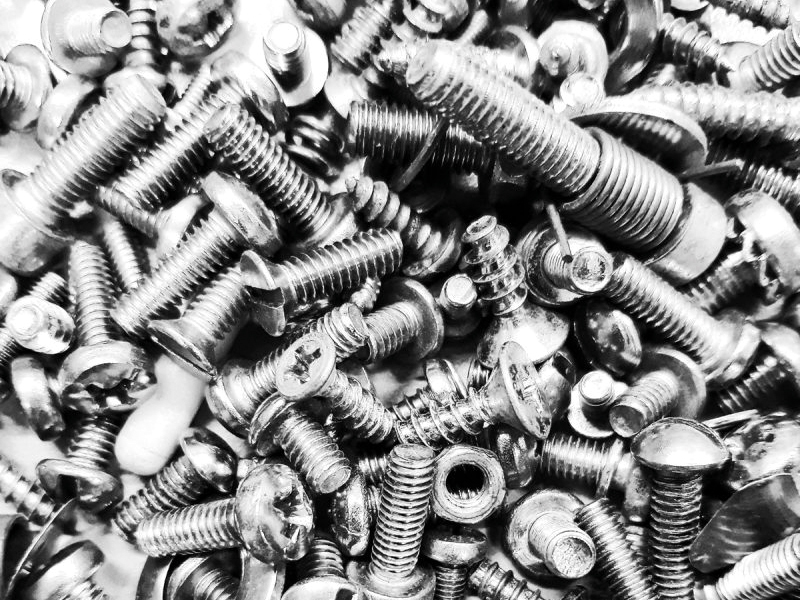
Aluminising, sometimes referred to as Alonizing and Calorizing, is a high temperature chemical process whereby aluminium diffuses into the surface of the base metal to form a metallurgical aluminide surface layer.
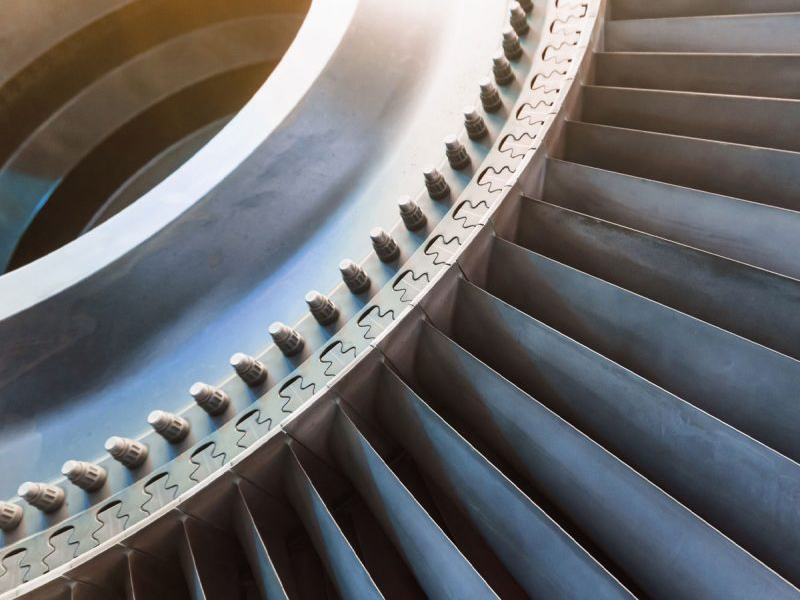
Diffusion Alloys was the first company world-wide to launch (in the 1950s) chromising as a commercial industrial diffusion coating process.
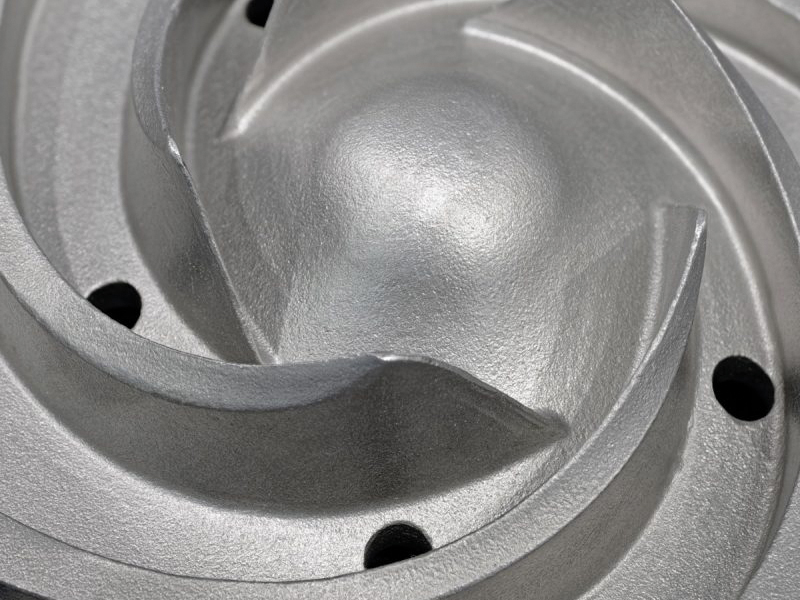
Boronising, sometimes referred to as boriding, is a diffusion coating that has a low co-efficient of friction that is capable of retaining its high hardness at elevated temperatures.
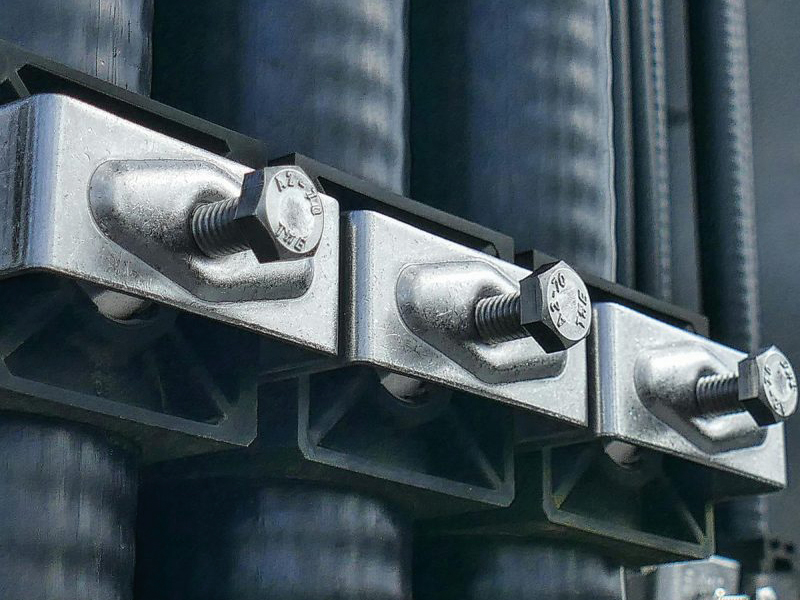
Diffusion Alloys provides coatings that conform to ASTM standards for diffusion coatings and that conform to customer defined specifications.
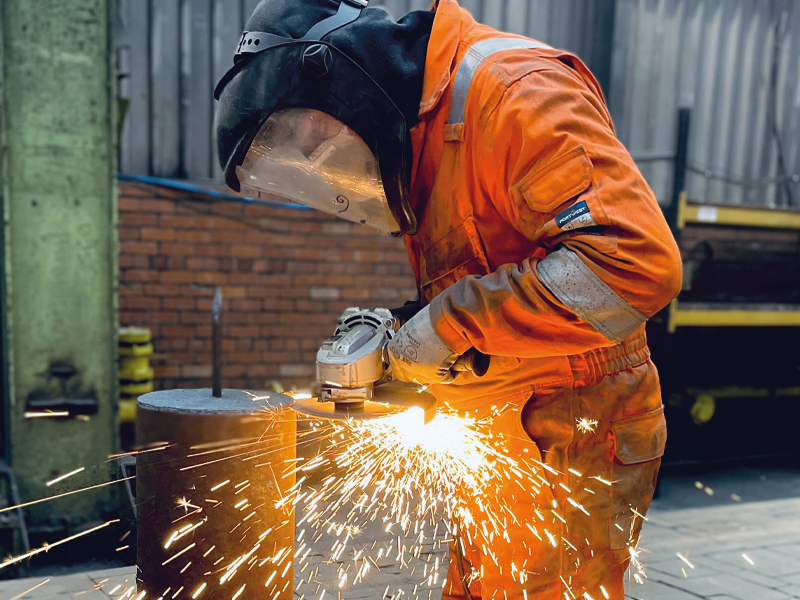
We are at the forefront of applications for clean energy and the hydrogen industry.
Large-scale hydrogen generation
Hydrogen electrolysers (SOE)
Fuel cells (SOFC)
Energy storage
Nuclear
Other specialist life extension
With over 60 years of industry experience, we're a global specialist in the application of a range of protective coatings against metal degradation.
We have been supplying diffusion coating services for over 60 years. In 1955 the Company became the first company world-wide to launch chromising as a commercial industrial diffusion coating.
We have decades of experience in coatings for the industrial gas turbine market and the oil, gas and process industries and have developed a leading position in diffusion coating for clean technology applications.
We consider the Health & Safety of its employees, customers, visitors and the general public to be of prime importance. We take an ethical approach to our environmental responsibility & waste management.
We pride ourselves on consistently scoring as best coating supplier for quality with a number of our major and long term customers which is testimony to our quality management system.


 D
D